Engineered for Hazardous Terrain
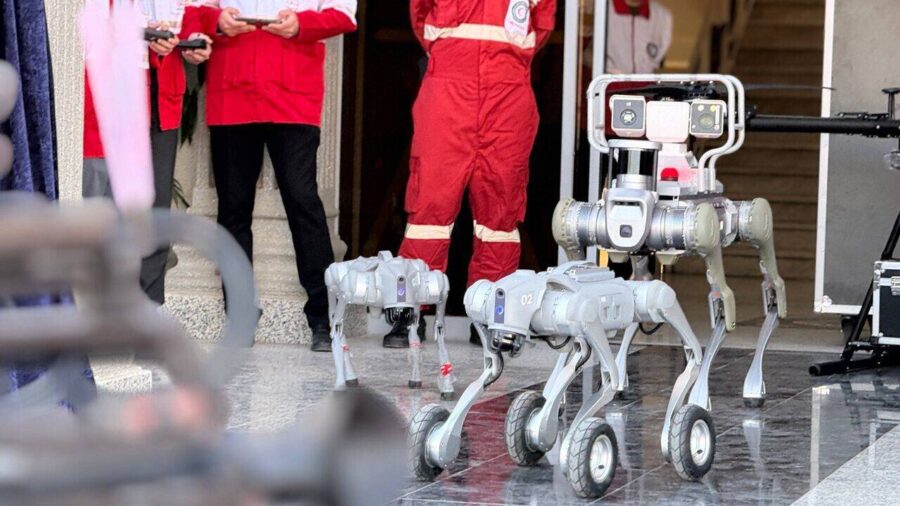
Iranian engineers have developed a four-legged robotic dog designed to navigate hazardous environments and assist in search-and-rescue operations. The platform is built to locate individuals trapped under rubble and transport essential supplies to disaster zones where human access is limited or dangerous.
The robot utilizes a combination of environmental perception and movement control systems. It features depth-sensing cameras and image-processing technology to detect obstacles, navigate uneven surfaces, and climb staircases. The system can also recover its balance after falling, ensuring continued operation on difficult terrain.
Equipped for Disaster Response
The robotic platform includes a suite of sensors to aid rescue teams. These include human-presence radar, gas sensors, thermal cameras, and night-vision capabilities. Additionally, the unit can be fitted with subsurface scanners capable of examining areas up to 1.5 meters deep. The robot has a payload capacity of 20 kilograms, allowing it to carry first-aid kits, oxygen cylinders, and communications equipment.
A two-way audio system allows rescue workers to communicate with trapped individuals remotely. The unit transmits images, thermal data, and gas measurements to a command center in real-time, providing teams with situational awareness before they enter an affected area.
According to reports, the project aligns with the 2026 BRICS Declaration, which encourages joint research and the development of information and communication technologies for peaceful purposes. By focusing on robotics for disaster relief, the initiative aims to support practical, developmental applications for technology.
Why it matters: This development highlights Iran’s increasing focus on robotics for disaster management, a critical area for countries prone to seismic activity. For the Middle East, where rapid deployment of specialized technology can significantly improve survival rates in collapsed structures, such advancements represent a shift toward tech-driven emergency response protocols.