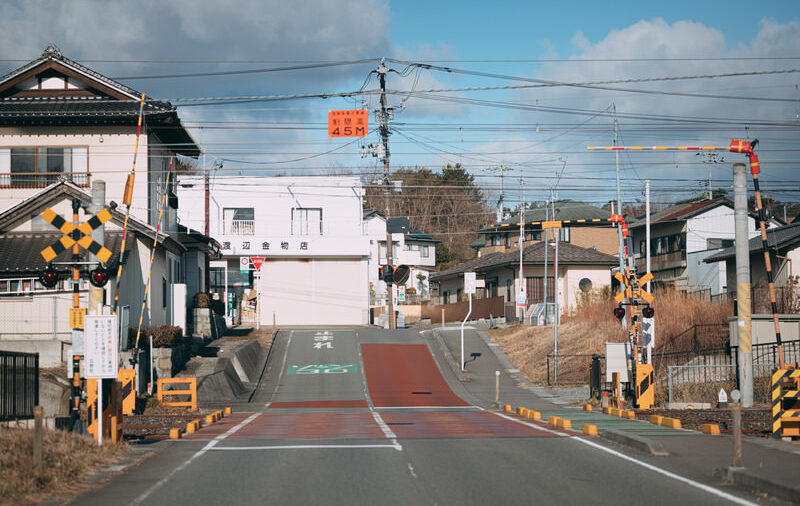
A Japan Automobile Federation (JAF) employee is facing trial after intentionally stopping his vehicle on train tracks, leading to a collision between an oncoming train and a car behind him. The incident occurred on August 18 in Saitama City following a road dispute.
Key Takeaways
- Intentional obstruction: Kenichi Kato stopped his vehicle on the tracks after becoming annoyed by a driver tailgating him.
- Collision details: The crossing gates lowered onto the rear of the victim’s car, which was subsequently struck by an oncoming train.
- Legal charges: Prosecutors initially investigated Kato for attempted murder, but he was ultimately charged with endangering train operations.
- Defense strategy: Kato’s defense argues the victim shares liability for failing to follow traffic laws regarding crossing safety.
- Financial settlement: The parties involved reached an out-of-court agreement, with Kato agreeing to pay 300,000 yen in compensation.
The Incident
According to reports, Kato grew frustrated with a vehicle following him closely. After crossing the tracks, Kato stopped his car, leaving the victim’s vehicle trapped between the crossing gates. Kato exited his car and shouted at the driver before returning to his vehicle and driving away. The victim attempted to free their car from the crossing gate but abandoned the vehicle as the train approached. The train clipped the rear of the car, causing property damage but resulting in no injuries.
Legal Proceedings and Liability
Kato faces a potential two-year prison sentence for endangering train operations. During the trial, the defense argued that the victim contributed to the collision by failing to adhere to traffic regulations. They cited rules requiring drivers to wait before crossing tracks until there is clear space on the other side. Furthermore, the defense noted that traffic laws permit drivers to break crossing barriers to escape hazardous situations, suggesting the collision was avoidable.