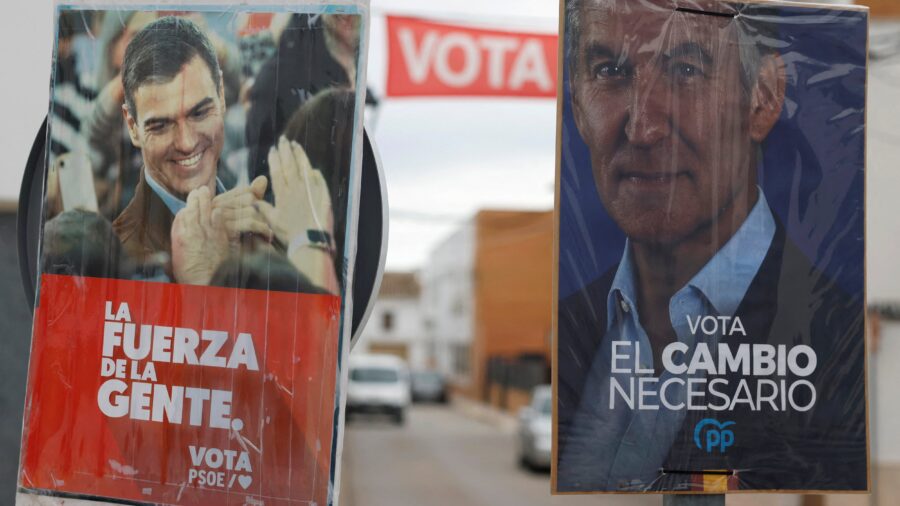
Spanish voters head to the polls Sunday amid a polarized public debate about the state of the national economy. Political discourse currently oscillates between claims of robust growth and warnings of imminent collapse, creating confusion for the electorate.
Economic Reality Versus Political Rhetoric
Data suggests the reality lies between these two extremes. While some observers characterize the economy as failing, others point to growth indicators that contradict claims of a total breakdown. Analysts argue that focusing solely on Gross Domestic Product or employment statistics fails to capture the complexity of the current situation.
Citizens frequently report difficulties managing daily expenses, securing affordable housing, and finding stable employment. Concerns regarding the long-term sustainability of the public healthcare system and pension funds remain high among the population. Despite these systemic challenges, economists observe that the country is not experiencing the societal or economic breakdown sometimes predicted in political campaigns.
Addressing Public Priorities
The central task for the incoming administration involves reconciling national economic figures with the lived experiences of the public. Political observers note that government policy must address these specific grievances to maintain stability. The focus remains on translating macroeconomic goals into tangible solutions for housing, job security, and public services.
Future legislative sessions will likely prioritize these structural issues. How the next government balances fiscal responsibility with social welfare demands will determine the trajectory of the country’s recovery.
Why it matters: This election highlights a disconnect between macroeconomic indicators and the financial struggles of Spanish households. For observers in the Middle East and Egypt, where similar debates about inflation and public service sustainability are common, Spain’s struggle to bridge the gap between political rhetoric and citizen welfare offers a relevant case study in democratic governance.