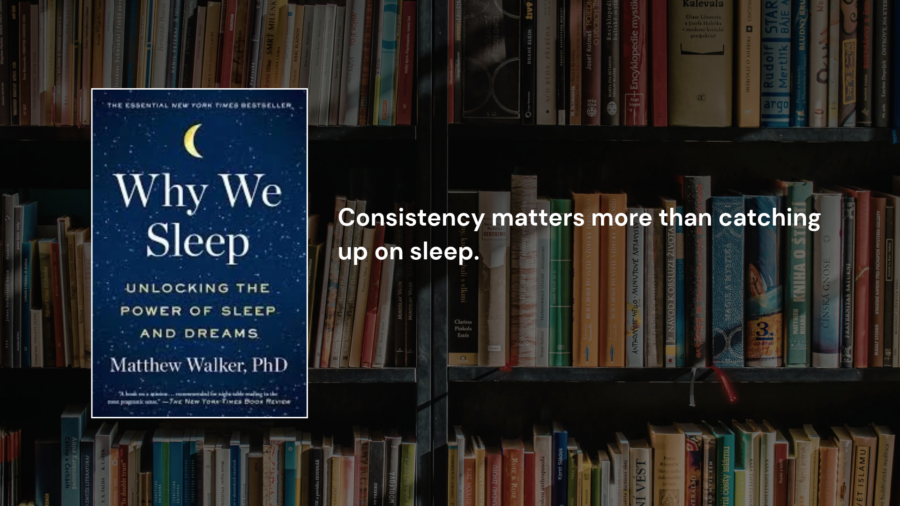
Neuroscientist Matthew Walker argues that sleep is a fundamental biological requirement rather than a negotiable lifestyle choice. In his book, Why We Sleep: Unlocking the Power of Sleep and Dreams, Walker synthesizes decades of research to demonstrate how rest supports brain function, physical health, and emotional regulation. The findings challenge the common perception that sleep is unproductive downtime.
Key Findings on Sleep Science
- Memory consolidation: The brain actively processes and organizes information during sleep, which is essential for learning and retaining new memories.
- Physical health impacts: Inadequate rest is linked to measurable declines in immune system function, metabolic health, and cardiovascular performance.
- Emotional regulation: REM sleep, the stage associated with dreaming, allows the brain to process emotional experiences and reduce their intensity.
- Cognitive performance: Sleep deprivation directly impairs concentration, decision-making abilities, and mood stability, even after short periods of reduced rest.
- Substance interference: Common stimulants like caffeine and depressants like alcohol significantly disrupt natural sleep cycles and quality.
The Role of Sleep in Learning
Walker writes that sleep is not a passive state. The brain continues to organize data collected throughout the day during both non-REM and REM cycles. This process strengthens new memories, making information easier to recall. Consequently, Walker suggests that sacrificing sleep for longer study hours can be counterproductive, as rest is required for the brain to effectively absorb and store new knowledge.
Health and Emotional Stability
The research indicates that sleep deprivation affects more than just alertness. Walker notes a correlation between insufficient rest and long-term health risks, including cardiovascular issues and metabolic changes. Beyond physical health, sleep plays a critical role in mental stability. Dreaming during the REM stage serves as an emotional processing mechanism, helping the brain connect information and mitigate the intensity of past experiences. Walker advises that sleep must be viewed as a pillar of health rather than a luxury.