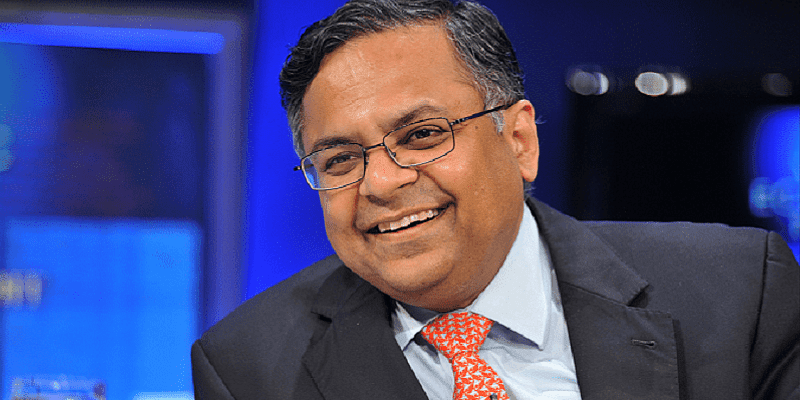
The Bombay High Court on Friday declined to grant urgent relief to two Tata Trusts that challenged the reappointment of N. Chandrasekaran as executive chairman of Tata Sons. Justice Abhay Ahuja ruled that the company’s scheduled board meeting on November 30 may proceed, though any decisions made will remain subject to the court’s final rulings.
Court Rejects Stay Request
The Sir Dorabji Tata Trust and the R.D. Tata Trust filed two suits on November 26, seeking to invalidate the September 17 board resolution that reappointed Chandrasekaran for a third five-year term. The trusts argued the resolution was invalid because it lacked the required affirmative vote under Article 121 of the company’s Articles of Association.
During the hearing, the plaintiffs requested that the court defer the November 30 meeting or prohibit Chandrasekaran from exercising his casting vote as executive chairman. The court questioned the necessity of these measures, noting that Chandrasekaran currently holds the position in his second term.
Justice Ahuja stated that other agenda items require the meeting to proceed. Tata Sons, represented by senior counsel Harish Salve, argued the meeting must occur to meet a December 12 deadline imposed by the Reserve Bank of India regarding company disclosures.
Legal Proceedings Continue
The court directed Tata Sons and the other respondents, including the board members, to file reply affidavits. The matter is scheduled for further hearing on January 18, 2027. The trusts are also seeking damages of 50 crore rupees from the Sir Dorabji Tata Trust and 15 crore rupees from the R.D. Tata Trust, along with 18% annual interest.
Why it matters: This legal dispute highlights governance tensions within one of India’s largest conglomerates. The case centers on internal voting procedures and the authority of nominee directors, issues that frequently affect corporate stability and shareholder confidence in major business groups.