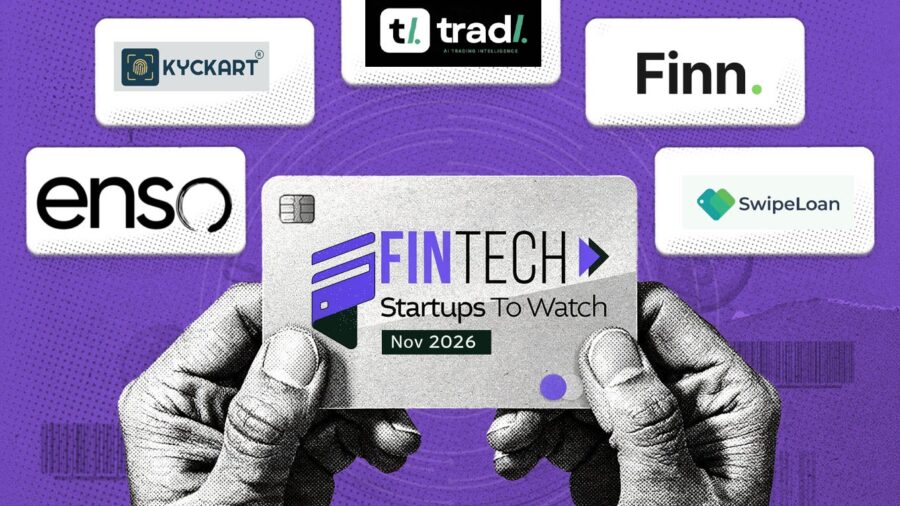
India’s fintech industry experienced a challenging November as digital payment volumes failed to meet expectations despite the festive season. Market data indicates that average online card payments declined by 13% compared to previous periods, while credit access remained restricted. Retailer association AIMRA reported that creditors approved only 60-70% of loan applications due to stricter underwriting standards.
Key Developments in Indian Fintech
- Regulatory delays: The government deferred the proposed merchant discount rate (MDR) framework for UPI transactions until mid-2027 following industry opposition.
- Market volatility: Regulatory uncertainty and consumer spending patterns impacted share prices for major firms, including Paytm, Pine Labs, and MobiKwik.
- Insurance reforms: The Insurance Regulatory and Development Authority of India (IRDAI) established an expert panel to review distribution reforms, affecting listed entities like PB Fintech and Turtlemint.
- IPO momentum: PhonePe revived plans for a 2027 initial public offering with a target valuation between $12 billion and $15 billion.
- Institutional confidence: Razorpay received approval from the Securities and Exchange Board of India (SEBI) for a planned $600 million IPO.
Emerging Startups: Enso
Despite broader market headwinds, new ventures continue to enter the ecosystem. Among the startups garnering attention this month is Enso, which focuses on automating financial operations for enterprise teams. Founded in 2024 by executives from InMobi, Freecharge, MPL, Myntra, and Beckn Protocol, the company utilizes artificial intelligence to streamline revenue workflows.
The platform is designed to consolidate fragmented data sources—such as contracts, billing tools, and bank statements—into a single automated system. Enso aims to assist finance teams with tasks including contract analysis, pricing tracking, invoice generation, and collection management.