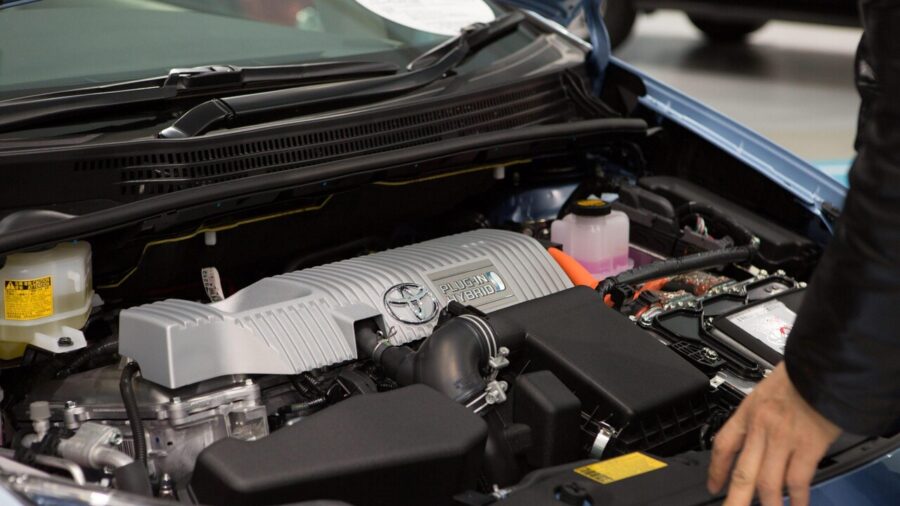
The European Commission on Monday unveiled a proposal to grant temporary flexibility for plug‑in hybrid electric vehicles (PHEVs) as it delays the update of utility factors tied to Euro 6 and Euro 7 emissions standards.
Proposed measures
The draft plan would postpone the revision of utility factors that determine how emissions from PHEVs are calculated for regulatory compliance. The commission says the postponement aims to give manufacturers additional time to align vehicle fleets with the stricter Euro 7 limits expected later this decade.
Under the current framework, utility factors reflect the proportion of electric versus internal‑combustion use in a PHEV’s lifecycle. Updating these factors would tighten the emissions allowances for new models. By delaying the change, the commission intends to avoid abrupt market disruptions and allow automakers to adjust production schedules.
Context and industry response
The move follows concerns from car makers that an immediate shift to revised utility factors could lead to increased costs and potential shortages of compliant vehicles. Industry groups have argued that the transition period is necessary to accommodate the development of next‑generation battery technology and to ensure a steady supply of affordable PHEVs.
Environmental NGOs have welcomed the proposal as a step toward maintaining emissions reductions while acknowledging the practical challenges faced by manufacturers. They stress that any delay must be balanced with clear timelines to achieve the EU’s climate objectives.
Next steps
The proposal will be examined by the European Parliament and the Council of the European Union in the coming weeks. If approved, the temporary flexibility could be enacted before the end of the year, with a revised schedule for updating utility factors to be set for 2025.
Why it matters: The decision could affect the availability and pricing of plug‑in hybrids across Europe, influencing consumer choices and the region’s progress toward stricter emissions targets.