A Significant Breakthrough in the Eastern Nile Delta
In a remarkable discovery that promises to reshape our understanding of ancient Egyptian burial practices, an archaeological mission has unearthed a series of rare rock-cut tombs at the Tel Al-Yahudiya site in Qalyubeya. This finding, coupled with the identification of Roman camp remains in the site’s upper strata, offers a compelling narrative of a location that served as a strategic hub across multiple millennia of Egyptian history.
The excavation, led by the Supreme Council of Antiquities, provides crucial new evidence regarding how ancient populations in the eastern Nile Delta managed their funerary rites. Traditionally, the Delta’s clay-rich soil has made the construction of subterranean, rock-cut structures exceedingly difficult, leading to a paucity of such findings in the region. This discovery, therefore, stands as a notable exception to the archaeological norm.
Unlocking the Architectural Secrets of the Past
According to Ayman Ashmawy, adviser to the Secretary-General of the Supreme Council of Antiquities, the newly revealed tombs exhibit two distinct architectural styles, each shedding light on the engineering capabilities of the era. These findings are not merely structural curiosities; they are historical markers that help define the chronology of the site.
- Type One: Featuring a staircase that descends into a central hall, these tombs are characterized by burial niches carved directly into the rock walls.
- Type Two: These structures consist of a deep rectangular shaft that provides access to a pair of burial chambers, suggesting a different social or temporal context for the deceased.
Hisham El-Leithy, Secretary-General of the Supreme Council of Antiquities, emphasized that initial assessments date these tombs to the late New Kingdom, with evidence suggesting their continued use through the subsequent Late Period. “These tombs are significant not only for their architectural diversity but also because such structures are uncommon in the Delta,” El-Leithy noted. “Their discovery contributes to a better understanding of the development of burial practices in the eastern Delta across different historical periods.”
A Layered History: From Pharaonic Tombs to Roman Camps
The Tel Al-Yahudiya site has long been recognized for its historical depth, most famously for its association with the Hyksos period when the area functioned as a major military encampment. However, the latest excavations reveal that the site’s strategic importance persisted long after the Hyksos era.
Above the newly discovered rock-cut tombs, archaeologists have unearthed substantial remains of a Roman camp. This vertical stratification—where later Roman military structures sit atop ancient Egyptian tombs—serves as a physical timeline of the region’s geopolitical evolution. It indicates that the site remained a focal point for settlement and military activity well into the Greek and Roman periods, transforming from a sacred funerary landscape to a robust garrison.
Future Excavations and Historical Significance
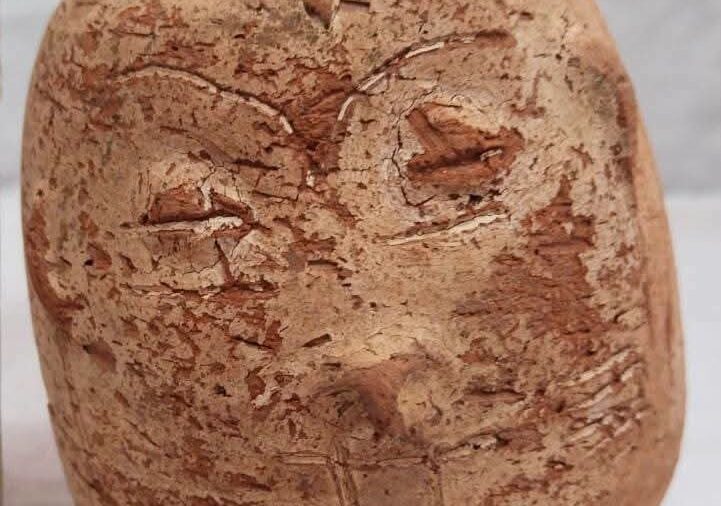
Anwar Abdel Samad, Director General of the Qalyubeya Archaeological Area and head of the mission, confirmed that the team uncovered a variety of artefacts alongside the burials. These objects have been instrumental in allowing researchers to accurately date the site and understand the specific cultural shifts that occurred within the community. As the mission continues its work, the focus remains on fully excavating the Roman camp layers to better understand the logistical and military footprint left by the Roman presence in the Delta.
This discovery at Tel Al-Yahudiya is a testament to the enduring mysteries hidden beneath the Egyptian soil. As excavations proceed, historians and archaeologists alike anticipate that this site will continue to offer invaluable insights into how ancient civilizations adapted to the challenging environment of the Nile Delta, ensuring its place as a cornerstone of Egyptian archaeology for years to come.