Strengthening Strategic Coordination
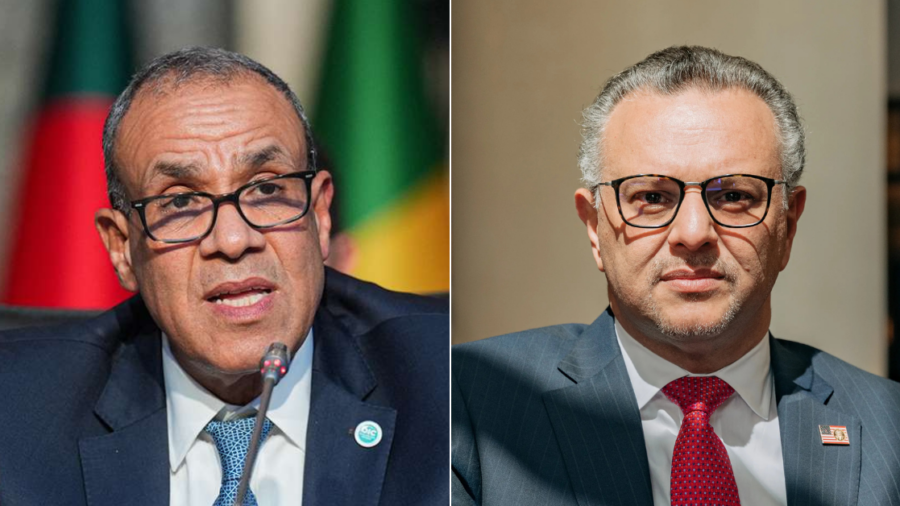
In an increasingly volatile geopolitical landscape, Cairo and Washington have intensified their diplomatic channels, aiming to contain the ripple effects of regional crises. On Friday, Egyptian Foreign Minister Badr Abdelatty held a high-level phone consultation with Massad Boulos, a senior adviser to the US presidency specializing in Arab and African affairs. This conversation marks the latest in a series of strategic engagements designed to address the escalating situation surrounding Iran and the ongoing instability in North Africa.
As regional dynamics shift, both nations are emphasizing the necessity of maintaining open lines of communication to prevent broader conflict. The dialogue reflects a shared concern regarding the stability of critical maritime corridors and the potential for regional flare-ups to disrupt global economic security.
Focus on Maritime Security and the Iran Crisis
A primary focal point of the discussion was the mounting tension involving Iran. Both Minister Abdelatty and Adviser Boulos underscored the critical importance of safeguarding freedom of navigation through the Strait of Hormuz. This narrow waterway, a vital artery for global energy supplies, remains a flashpoint for international concern.
Key points highlighted during their discussion included:
- Adherence to International Law: Both officials reiterated that maritime transit must be protected in strict accordance with international legal frameworks.
- Economic Implications: Egypt has repeatedly cautioned that any widening conflict in the region could catastrophically disrupt international shipping lanes and supply chains, leading to volatile energy and food prices.
- Containment Strategy: Cairo has been actively engaging with Washington and other regional stakeholders to promote diplomatic solutions, seeking to de-escalate tensions before they spiral into a broader confrontation.
While the Egyptian Foreign Ministry did not disclose specific new measures or agreements emerging from the call, the engagement signals a continued commitment to a unified diplomatic front.
Addressing Conflicts in Sudan and Libya
Beyond the immediate crisis with Iran, the conversation extended to the pressing humanitarian and political challenges facing Sudan and Libya. Both regions remain central to Egypt’s national security interests, and Cairo continues to play a pivotal role in mediating these long-standing disputes.
Sudan: Seeking a Path to Peace
Regarding the conflict in Sudan, Minister Abdelatty emphasized the urgency of building upon existing international initiatives. His position remains clear: the focus must be on:
- Ending the ongoing hostilities through sustained dialogue and negotiation.
- Preserving the unity, sovereignty, and territorial integrity of the Sudanese state.
- Protecting national institutions to ensure a viable future for the country once the fighting ceases.
Libya: Breaking the Political Deadlock
The discussion also turned to the political impasse in Libya. Abdelatty advocated for a coordinated international approach that supports, rather than dictates, the Libyan political process. Egypt’s stance remains consistent: any sustainable settlement must be led by the Libyan people themselves, reflecting their own choices while ensuring the preservation of the country’s institutional unity and sovereignty.
These high-level consultations—following a similar exchange on September 5—underscore the importance both nations place on collaborative diplomacy. By synchronizing their efforts on Iran, Sudan, and Libya, Egypt and the United States are attempting to navigate a complex regional architecture where stability remains fragile and the need for diplomatic foresight has never been greater.