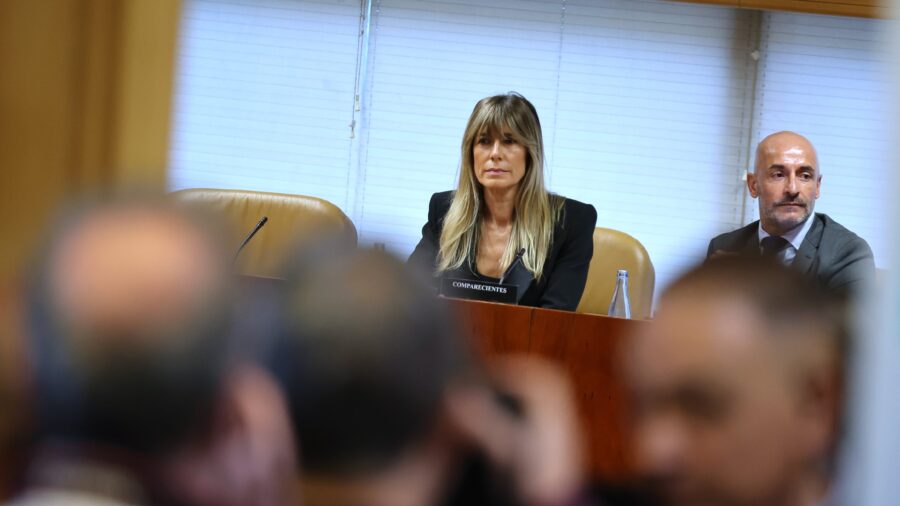
In a Madrid courtroom, Begoña Gómez, the spouse of Prime Minister Pedro Sánchez, sat beside her former La Moncloa adviser, Cristina Álvarez, as judge Juan Carlos Peinado announced that both will face a popular jury trial. The decision follows two years of investigation that has drawn public scrutiny.
Peinado said Gómez is charged with influence peddling and misappropriation of public funds, alleging she used her husband’s position to secure a professorship at the Universidad Complutense de Madrid and to obtain software licenses. Álvarez faces a separate misappropriation charge, accused of conducting private tasks for Sánchez while officially hired as a government adviser.
Spain has employed popular juries for criminal cases for 31 years, but the high‑profile nature of these proceedings has intensified debate over jury selection and potential political bias. Legal experts note that parties may request the dismissal of jurors they deem biased, and that verdicts can be appealed to higher courts.
Impact and reactions
Opposition parties have called the move a test of judicial independence, while the government stresses respect for due process. Civil society groups urge transparency in juror vetting.
Looking ahead
The trial date remains unset, but the case is expected to shape public confidence in Spain’s jury system and its handling of political figures.