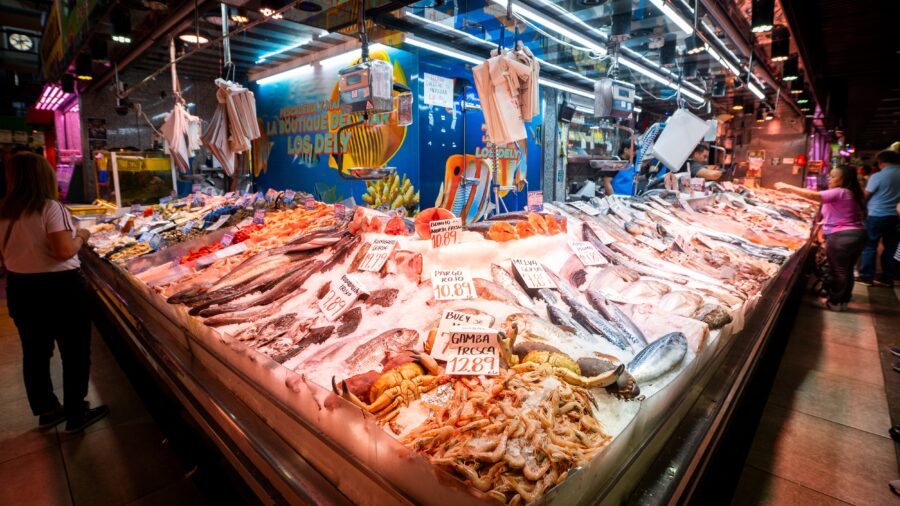
Rising food prices are prompting shoppers in Madrid to tighten budgets, increasing visits to supermarkets while swapping expensive items for cheaper staples.
Key takeaways
- Higher grocery frequency: Shoppers report more trips to stores to manage limited budgets.
- Shift to legumes: Consumers are buying more beans and lentils as a cost‑effective protein source.
- Reduced fish consumption: Purchases of canned tuna and other fish have declined.
- Price pressure on staples: Items such as rice and cooking oil are cited as noticeably more expensive.
- Consumer frustration: Shoppers express resignation over the overall rise in everyday food costs.
In‑store observations
At a supermarket near Cuatro Caminos, shoppers like Tania Avendaño push half‑empty carts, noting price hikes in rice and oil. Avendaño says she has altered her daily menu, buying more legumes and cutting back on tuna, which she says she still enjoys.
Price impact on meat
On the same floor, Queisha Kawas, a Chilean shopper, asks the butcher about the cost of a cut of meat, receiving a response that it is “a lot” and prompting her to request a smaller portion.
Broader trend
These anecdotes reflect a broader trend of consumers adopting a “control mode” in response to sustained food price inflation over recent years, prioritising affordability over variety.