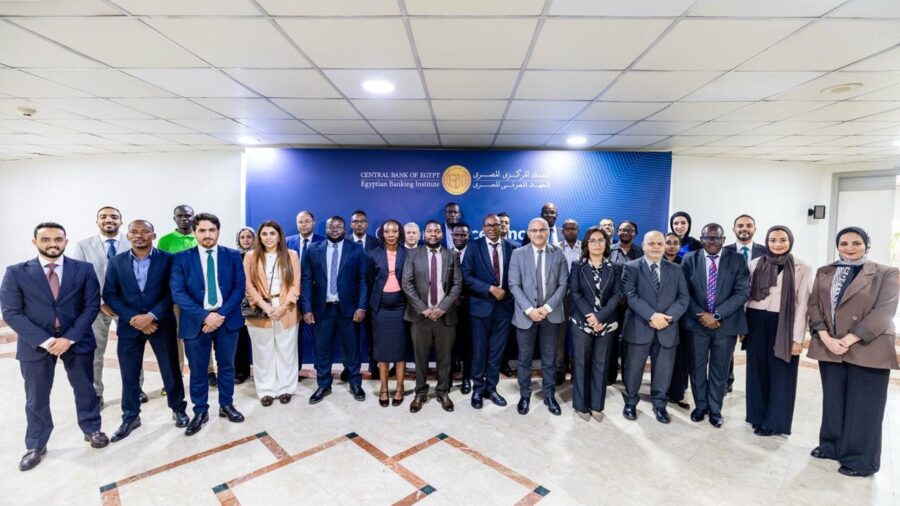
Cairo, Oct 21 (Reuters) – The Central Bank of Egypt hosted a five‑day training programme on climate‑risk stress testing for 25 participants from 11 COMESA member central banks and the COMESA Monetary Institute.
Key takeaways
- Training focus: Incorporating climate risks into micro‑ and macro‑level stress tests using standard models.
- Scope of coverage: Credit, liquidity, climate‑related and interbank contagion risk scenarios were examined.
- Expert delivery: Lecturers from the CBE’s macroprudential, off‑site supervision and financial inclusion sustainability units led interactive sessions.
- Participant output: Delegates drafted proposals on how climate‑risk stress testing could affect COMESA central banks.
- Next steps: Recommendations will be reviewed at the COMESA governors’ annual meeting in Malawi in November 2026.
Training programme details
The course took place at the Egyptian Banking Institute headquarters in Cairo. It combined discussions, practical examples and experience exchanges on integrating climate‑related risks into stress‑testing frameworks. Sessions addressed both theoretical foundations and practical implementation, allowing participants to compare approaches used in their respective jurisdictions.
Broader cooperation
The initiative is part of the CBE’s ongoing collaboration with the COMESA Monetary Institute to strengthen integration and knowledge‑sharing among African central banks. By focusing on climate risk, the programme aims to enhance financial stability across the region.
Future implications
At the conclusion of the training, participants produced a set of recommendations intended to deepen understanding of climate‑risk stress testing impacts. These will be discussed by COMESA central bank governors at their upcoming annual meeting, potentially shaping policy and supervisory practices.
Why it matters: Climate‑related financial risks are increasingly recognized as threats to banking stability. Strengthening the capacity of COMESA central banks to assess these risks supports regional resilience and aligns African financial systems with global sustainability standards.
 Egypt
 Saudi Arabia
 UAE
 Spain
 United Kingdom
 United States
 China
 India