Spain’s Railway Accident Investigation Commission (CIAF) issued a formal recommendation last year for technical measures to mitigate human error in railway operations. The warning, reported by Cadena SER, highlights the risks associated with reliance on visual checks by personnel in critical traffic situations.
June 25, 2024
The commission released an official report following a safety incident at the Cuenca Fernando Zóbel station. While this specific event resulted in no significant injuries or damage, investigators identified a systemic vulnerability. The report concluded that simple visual verification by railway technicians often leads to incorrect decision-making under pressure. Consequently, the CIAF urged the implementation of technical safeguards to reduce dependency on human judgment.
2025
The commission reiterated its request for enhanced safety protocols to prevent operational failures. Public documents available via the Ministry of Transport confirm the commission’s ongoing push for these mitigation strategies. The guidelines were drafted to address the high probability of human miscalculation in complex traffic management scenarios.
Current Status
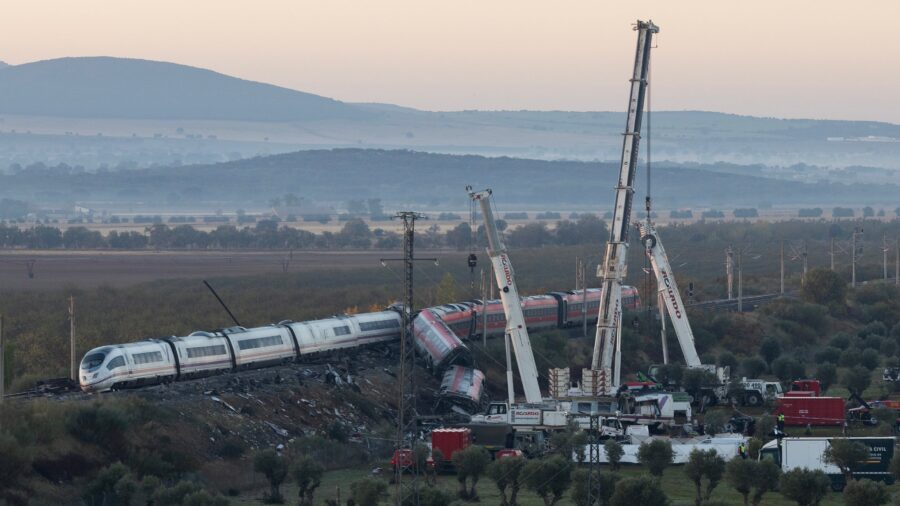
The warnings issued by the CIAF have drawn renewed attention following a fatal railway accident in Urda, Toledo, which occurred this Wednesday. According to the investigation documents, the circumstances surrounding the recent tragedy share distinct parallels with the 2024 incident in Cuenca. Authorities continue to review these findings as part of the broader safety evaluation.
Why it matters: The recurrence of similar operational risks suggests a persistent gap in Spanish rail safety protocols. For transport authorities and commuters, these findings underscore the limitations of manual oversight and the potential necessity for automated technical intervention to prevent preventable accidents.
 Egypt
 Saudi Arabia
 UAE
 Spain
 United Kingdom
 United States
 China
 India
