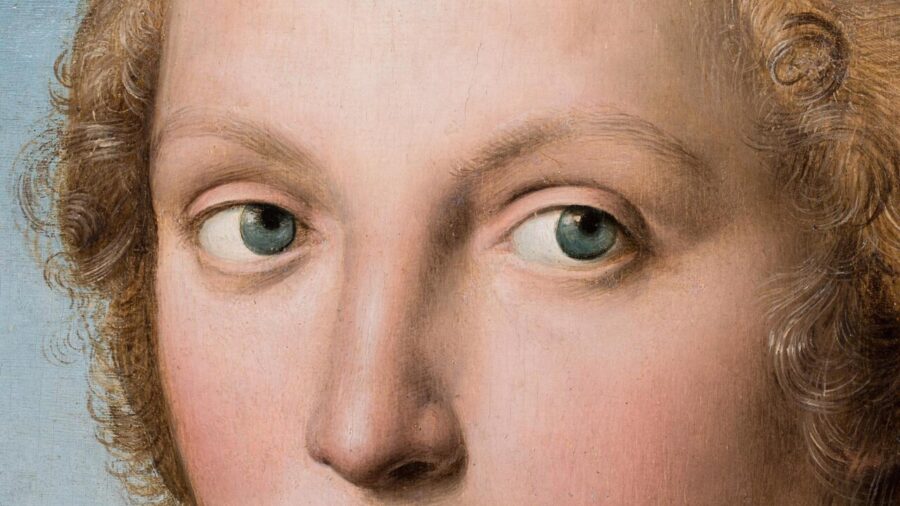
A portrait by Raphael, known as “Lady with a Unicorn,” has opened to the public at the MUST museum in Vimercate, Italy. The exhibition, which showcases the Renaissance masterwork, was inaugurated by Gianmarco Mazzi, the Undersecretary of Culture.
Key Exhibition Details
- Loan origin: The painting arrives in Brianza on loan from the Galleria Borghese in Rome.
- Official opening: Undersecretary of Culture Gianmarco Mazzi attended the launch ceremony to mark the exhibition’s start.
- Venue location: The display is hosted at the MUST (Museo del Territorio) in the city of Vimercate.
- Artistic significance: The work is one of the most recognized portraits by Raphael, dating back to the early 16th century.
- Public access: The exhibition aims to bring significant Renaissance art to regional audiences outside major metropolitan centers.
A Notable Renaissance Portrait
The “Lady with a Unicorn” is considered a seminal work from Raphael’s Florentine period. Art historians date the painting to approximately 1505–1506. The subject is depicted with a small unicorn in her lap, a symbol traditionally associated with purity and chastity in Renaissance iconography. The painting’s presence in Vimercate highlights efforts to decentralize cultural heritage by moving major artworks from national museums like the Galleria Borghese to smaller, regional institutions.
Official Reception
Gianmarco Mazzi, representing the Ministry of Culture, emphasized the importance of such collaborations between national and local museums. The exhibition is part of an ongoing initiative to increase visibility for Italian historical collections. Local officials and museum curators coordinated the logistics to ensure the security and preservation of the Raphael piece during its stay in Brianza.
Why it matters: This exhibition demonstrates a strategy to expand access to high-profile cultural assets beyond major cities like Rome or Milan. For international visitors and art enthusiasts, it underscores the depth of Italy’s decentralized museum network, where significant historical treasures are frequently rotated to regional galleries.
 Egypt
 Saudi Arabia
 UAE
 Spain
 United Kingdom
 United States
 China
 India
