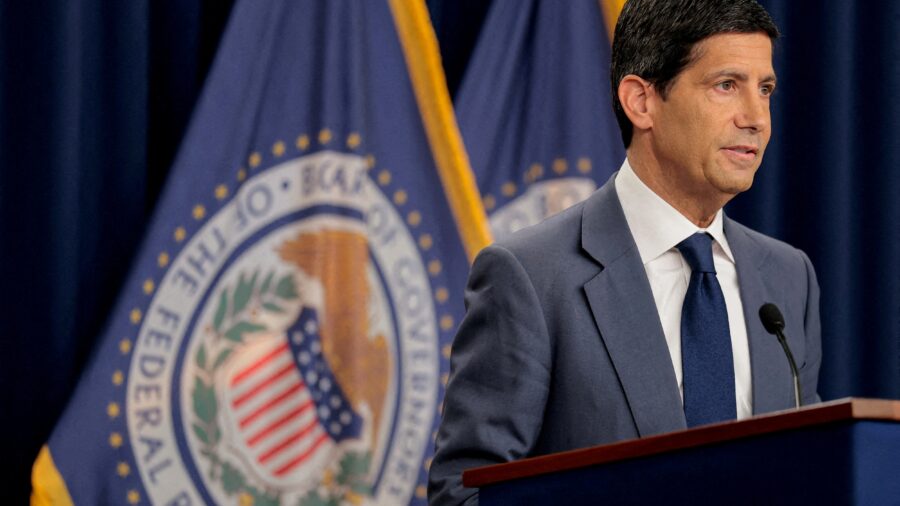
The U.S. Federal Reserve and the European Central Bank (ECB) both opted to maintain current interest rates during their respective policy meetings this week. The synchronized decision comes as economic authorities globally grapple with uncertainty regarding how monetary policy influences economic activity.
Key Takeaways
- Rate decisions: Both the Federal Reserve and the ECB chose to hold interest rates steady this week.
- Leadership changes: The ECB is facing internal shifts following the announcement of Christine Lagarde’s premature departure from the presidency.
- Economic uncertainty: Central banks are increasingly questioning the predictability of traditional monetary policy models.
- Changing dynamics: Long-standing correlations between interest rates, demand, employment, and inflation appear to be shifting.
- Policy risk: Analysts suggest the primary danger lies in misreading the current economic position rather than small adjustments to interest rates.
Shifting Economic Models
For decades, central bank policy relied on a framework that linked interest rates to broader economic indicators like demand, employment, and inflation. While this relationship was never mechanical, it served as a reliable guide for monetary decisions. Current data suggests these established coordinates may no longer function as expected.
The decisions made by the Federal Reserve and the ECB highlight a broader trend. Although both institutions face distinct economic challenges, they arrived at similar conclusions regarding rate stability. This raises concerns about the precision of current monetary tools.
The Risk of Misinterpretation
The core challenge for policymakers is determining the true intensity of their restrictive measures. Experts note that the effectiveness of interest rate adjustments may be diminishing compared to historical standards. The risk is not necessarily in adjusting rates by a quarter-point, but in failing to accurately interpret the underlying state of the economy.
 Egypt
 Saudi Arabia
 UAE
 Spain
 United Kingdom
 United States
 China
 India
