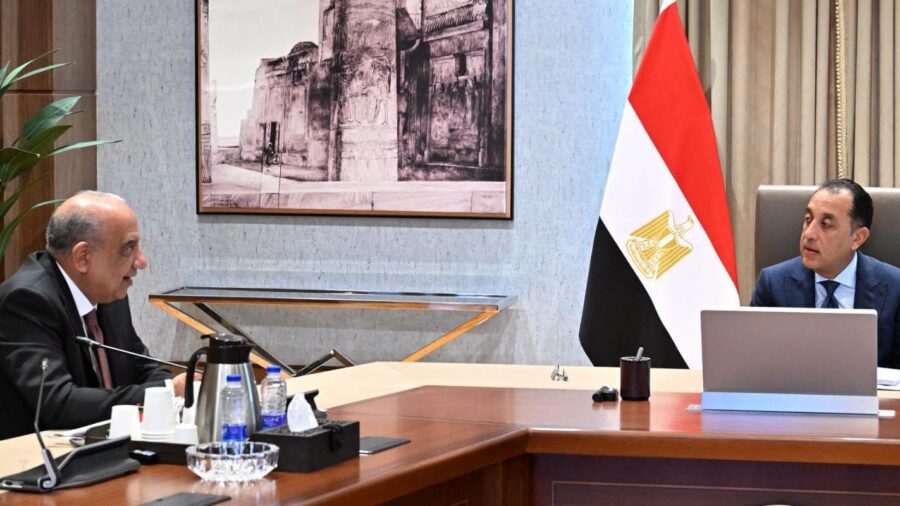
The Egyptian government has announced plans to establish 1,000 megawatts of solar power capacity to supply approximately 7,000 factories. The initiative, dubbed “Shams El-Senaa,” aims to reduce industrial electricity costs and expand the use of renewable energy across the country.
Key Takeaways
- Capacity target: The project aims to install 1,000 megawatts of solar power specifically for industrial use.
- Industrial impact: Approximately 7,000 factories are expected to benefit from reduced electricity bills and lower natural gas consumption.
- Government oversight: Prime Minister Mostafa Madbouly is coordinating the implementation with the Ministry of Electricity and Renewable Energy.
- Future expansion: Authorities intend to extend the solar installation program to government buildings in subsequent phases.
- Strategic goals: The initiative seeks to localize solar energy manufacturing and improve the competitiveness of Egyptian exports.
Implementation Strategy
Prime Minister Mostafa Madbouly reviewed the implementation mechanisms during a meeting with Minister of Electricity and Renewable Energy Mahmoud Esmat. According to the Prime Minister, the project is part of a national effort directed by President Abdel Fattah Al-Sisi to diversify energy sources and support local industry. The government plans to establish a national framework to manage the operation and maintenance of these solar installations, including regular inspections of transformers, panels, and connection systems. Officials also plan to develop training programs for specialized technical personnel to support this infrastructure.
Economic and Industrial Objectives
Minister Esmat stated that the initiative is designed to lower production costs for manufacturers. By reducing reliance on traditional energy sources, officials expect to strengthen the competitiveness of Egyptian goods in both domestic and international markets. The program also aims to increase local content in renewable energy equipment, which the government says will bolster industrial value chains.
 Egypt
 Saudi Arabia
 UAE
 Spain
 United Kingdom
 United States
 China
 India
