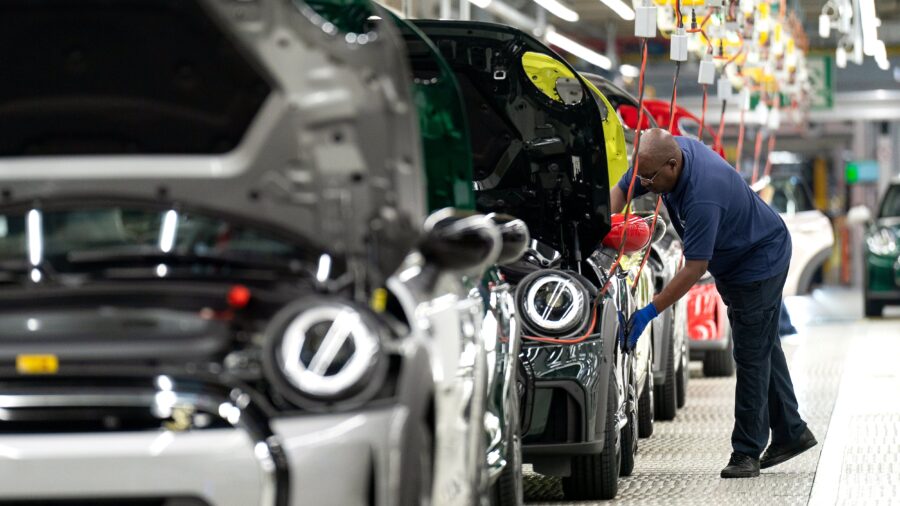
BMW is adjusting its corporate strategy to counter the immediate threat posed by Chinese electric vehicle manufacturers entering the European market. The German automaker aims to leverage its high-end vehicle segment to secure profitability, though industry analysts warn that regulatory changes may complicate these long-term goals.
Immediate Market Pressures
Chinese automakers, including Geely Automobile and BYD, are currently increasing their presence in Europe by offering affordable electric vehicle options. These companies are competing directly with established European brands in their domestic markets. In response, BMW is focusing on its premium segment, specifically the upcoming Neue Klasse generation of electric vehicles, which the company expects will enhance overall profit margins.
Regulatory Challenges
While BMW’s focus on sophisticated, high-efficiency models is designed to bolster short-term financial performance, external factors present significant hurdles. New regulations imposed by Brussels are expected to incentivize Chinese competitors to pivot toward the luxury vehicle segment. This shift may intensify competition in the market tier BMW relies on for its primary revenue. Consequently, maintaining an operating margin between 8% and 10% may become increasingly difficult for the automaker as rivals adjust their strategies to navigate European trade policies.
Current Outlook for BMW
BMW is currently balancing a defensive strategy centered on high-end production against an aggressive, low-cost expansion by international competitors. While the company’s immediate focus remains on securing margins through product sophistication, the evolving regulatory landscape suggests that Chinese manufacturers will likely contest the luxury sector more forcefully in the near future. The company’s ability to maintain its targeted operating margins will depend on how effectively it differentiates its luxury offerings against this rising competition.