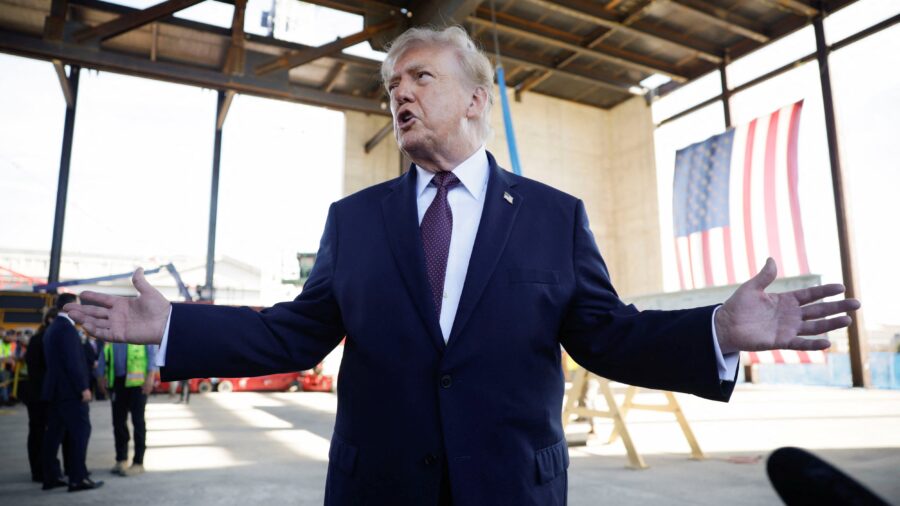
Global oil prices have declined nearly 20 percent this week, falling below $100 per barrel, as investors anticipate a potential diplomatic resolution to the conflict in the Middle East. The shift in market sentiment follows mid-term election results in the United States, where the Democratic Party secured control of both the House of Representatives and the Senate.
Political Impact on Foreign Policy
Analysts suggest the election outcome signals a possible end to the regional hostilities initiated in January by U.S. President Donald Trump and Israeli Prime Minister Benjamin Netanyahu. Market observers link the Republican electoral losses to rising energy costs and the broader impact of the ongoing conflict on the cost of living.
While investors view the electoral shift as a catalyst for de-escalation, uncertainty remains. President Trump retains authority over foreign policy until the new legislative sessions begin on January 3. Observers warn that despite the pressure for a diplomatic pact to stabilize energy markets and domestic political support, the risk of military escalation remains high during this transition period.
Market Reaction and Future Outlook
The price drop reflects a market pricing in the possibility of a negotiated settlement between the United States and Iran. However, analysts caution that the conflict remains deeply entrenched and that the current administration continues to defend its strategic approach to the region.
Why it matters: The potential for a diplomatic agreement could stabilize volatile energy costs that have significantly burdened consumers. For the Middle East, a de-escalation would reduce regional instability and shift the focus toward economic recovery following months of military tension.