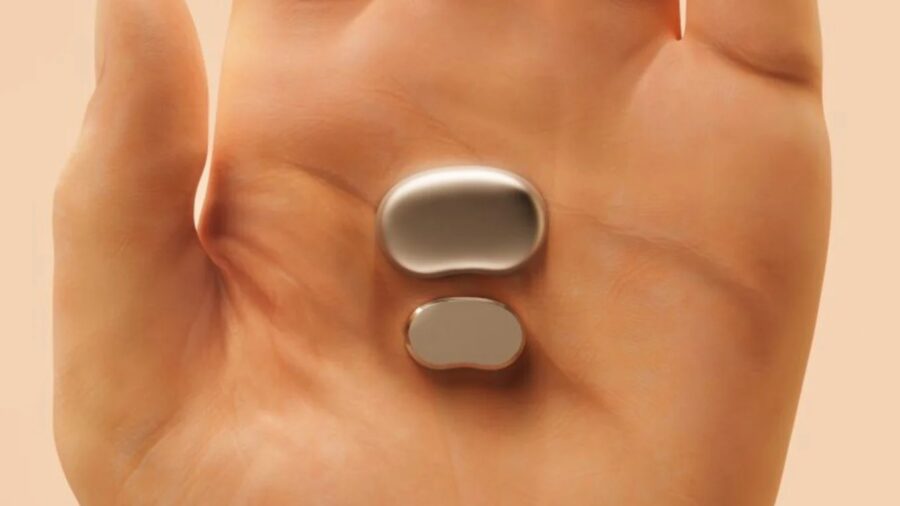
Deepinder Goyal, founder of the health wearable company Temple, has publicly defended his firm against allegations of scientific inaccuracy and financial impropriety. The response follows widespread criticism from medical professionals regarding the company’s claims about its brain-monitoring device.
Key Takeaways
- Financial investment: Goyal stated the company has spent $30 million on development, with $20 million coming from his personal funds, arguing the project is not a financial scam.
- Medical classification: The CEO clarified that the device is a fitness and wellness tracker, not a medical device, and acknowledged it currently lacks clinical validation.
- Scientific validation: Goyal defended the company’s reliance on internal studies, noting that independent research will follow once the product becomes widely available.
- Product availability: Pre-orders for the device began on November 1, with a listed price of ₹85,000 and shipping expected to commence in early 2027.
- Expert criticism: Medical professionals, including Dr. Cyriac Abby Philips, have publicly questioned the device’s ability to measure cerebral blood flow and challenged the company’s proprietary health metrics.
Addressing Credibility Concerns
The controversy centers on the scientific validity of Temple’s wearable, which is marketed as a device capable of monitoring cerebral blood flow. Critics, including gastroenterologist Dr. Zubin Sharma and hepatologist Dr. Cyriac Abby Philips, have disputed the anatomical feasibility of these claims. Critics argue that blood flow to the brain occurs through arteries in the neck and back of the head, rather than the temple area.
Goyal dismissed these concerns by stating that many wearable technology companies initially rely on internal studies before securing external validation. He announced that the company intends to release pre-prints of its research before submitting findings for peer review. To address consumer concerns, Temple has implemented a 14-day, no-questions-asked return policy.