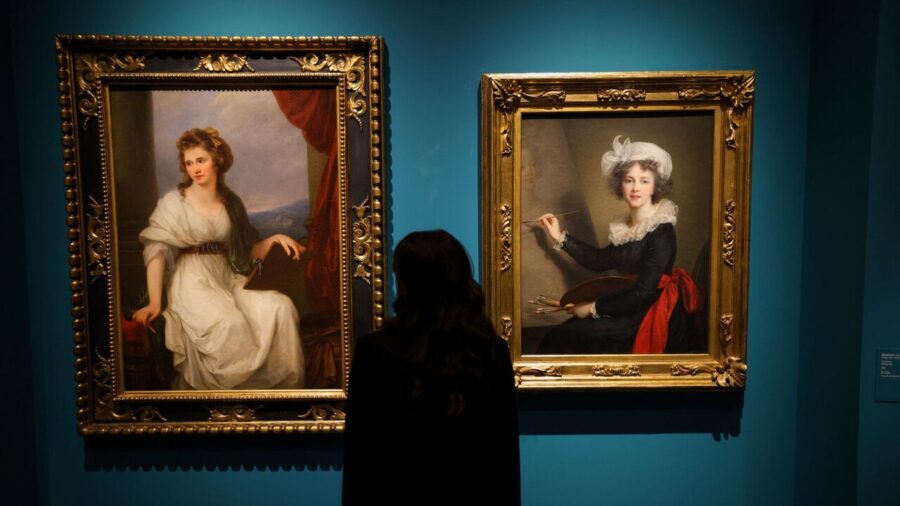
Visitors entering the Gallerie d’Italia in Naples will soon encounter the works of two influential figures in European art history. An exhibition titled “Angelica and Elisabeth: The Age of Women Painters” opens on November 6, focusing on the artistic contributions of Angelica Kauffman and Elisabeth Vigée Le Brun.
The exhibition highlights how these two women navigated the professional art world during the 18th century, a period when female artists faced significant societal limitations. Kauffman, born in Switzerland, and Vigée Le Brun, a French painter, both achieved international recognition and patronage despite the restrictions of their era.
A Focus on Female Artistic Legacy
The collection showcases paintings that defined their careers and influence. Organizers state the exhibition aims to explore the professional relationships and artistic parallels between these two women. By placing their works in dialogue, the gallery seeks to offer a broader perspective on the role of women in shaping the European art landscape of the time.
The exhibition is scheduled to remain open to the public until March 7. It provides a detailed look at how both artists managed their careers, secured commissions from royal courts, and influenced the aesthetic movements of their time.
Broader Context of the Exhibition
The display is part of a wider effort to re-examine the historical contributions of women in the arts. It offers viewers a chance to see rare pieces gathered in one location, emphasizing the technical skill and entrepreneurial spirit both women possessed.
Why it matters: This exhibition highlights the historical precedent of women succeeding in high-level professional fields despite systemic barriers. For audiences in the Middle East and Egypt, where initiatives to promote female representation in cultural and creative industries are expanding, the success of Kauffman and Vigée Le Brun serves as a historical case study on professional perseverance and artistic autonomy.