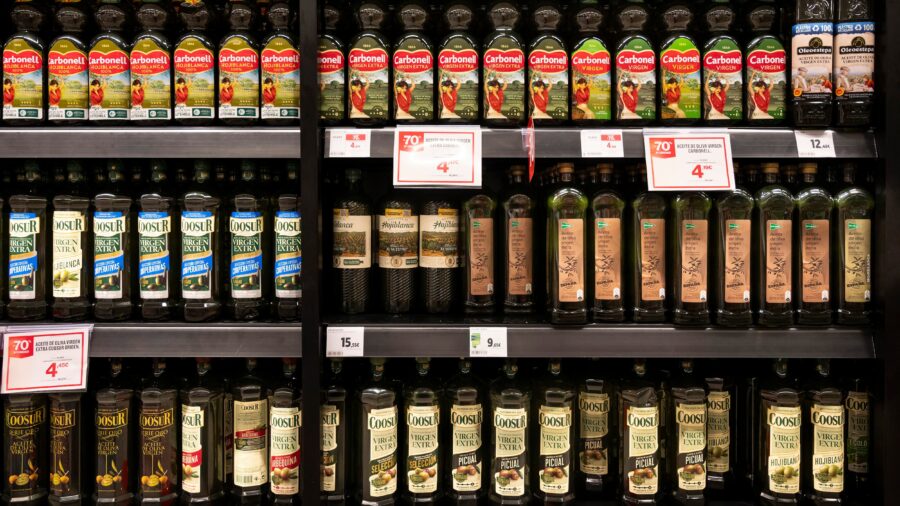
Spain’s Ministry of Agriculture plans to finalize a mechanism this Friday that will force olive oil mills to withdraw 188,000 tons of product from the market. This represents 12% of the projected harvest plus current stocks, marking the first time the government has utilized this self-regulation scheme to manage supply levels.
The move follows a sharp decline in olive oil prices, which have dropped to approximately three euros per kilogram. This figure is one euro lower than prices recorded one year ago and significantly below the five-euro threshold producers identify as the break-even point. The current harvest is on track to be the fourth-largest on record, contributing to the supply surplus that has pressured market rates.
Regulatory Concerns
While producers have expressed frustration over the falling prices, the government’s intervention has drawn scrutiny. The National Commission on Markets and Competition (CNMC) has voiced reservations regarding the plan. Regulators are assessing whether the coordinated withdrawal of product aligns with competition laws, as the measure seeks to artificially control supply to influence market pricing.
Looking Ahead
The ministry intends to move forward with the policy despite the concerns raised by market authorities. Officials argue the intervention is necessary to prevent further financial instability for farmers during a period of record-high production levels. The impact of this withdrawal on consumer prices and market competition remains to be seen as the policy takes effect.
Why it matters: This intervention highlights the volatility of the global olive oil market, where high production years can unexpectedly threaten the profitability of producers. For countries across the Mediterranean, including Egypt, where olive oil remains a significant agricultural and export sector, Spain’s regulatory response serves as a critical case study in state-led market management.