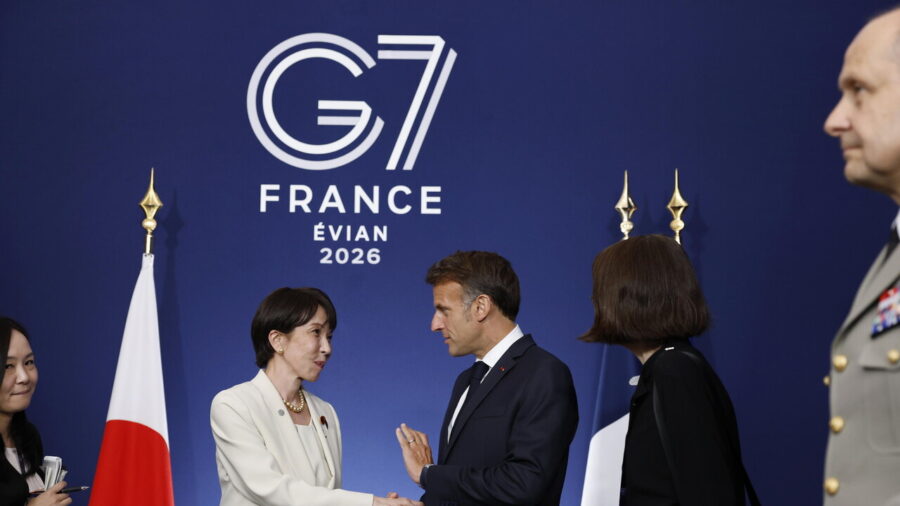
Japanese Economic Security Minister Sanae Takaichi has communicated strong concerns to French President Emmanuel Macron regarding European Union initiatives that provide incentives for electric vehicles. The Japanese government views these measures as potentially discriminatory against non-European manufacturers.
During recent discussions, Takaichi highlighted that current European subsidy frameworks may effectively exclude Japanese automotive companies from competing on equal terms within the EU market. The Japanese administration argues that these policies could distort fair competition and disrupt global supply chains that rely on international cooperation.
Impact on Global Automotive Trade
The concerns center on European industrial policies designed to bolster domestic EV production. Japan contends that eligibility criteria for these subsidies often favor vehicles manufactured within the bloc, placing Japanese exporters at a significant disadvantage.
The Japanese government has signaled that it intends to monitor the implementation of these European regulations closely. Officials indicated that they will seek further dialogue with EU leadership to ensure that trade policies remain consistent with international trade agreements and do not create barriers for Japanese firms.
Diplomatic and Economic Context
France has been a key proponent of European efforts to protect its domestic automotive industry from an influx of foreign-made electric vehicles, particularly from China. However, Japan’s intervention underscores the diplomatic complexities of these protectionist measures, as they also affect long-standing trade partners.
Why it matters: This development highlights the growing tension between national industrial protectionism and global trade commitments. As major economies race to dominate the EV sector, international trade partners face increasing pressure to balance domestic economic security with open market access, affecting supply chains and manufacturing strategies worldwide.