Humanity faces concurrent risks from climate change and the potential for uncontrolled artificial intelligence, according to recent international policy discussions. Experts suggest that unified global action is necessary to mitigate threats to the environment and ensure the safe development of emerging technologies.
International Regulatory Efforts
Efforts to address these challenges have been formalized through various international agreements. In 2015, nations adopted the Paris Agreement, which established a framework to limit global temperature increases. This pact serves as a primary mechanism for international climate policy, aimed at preserving habitable conditions for the human population.
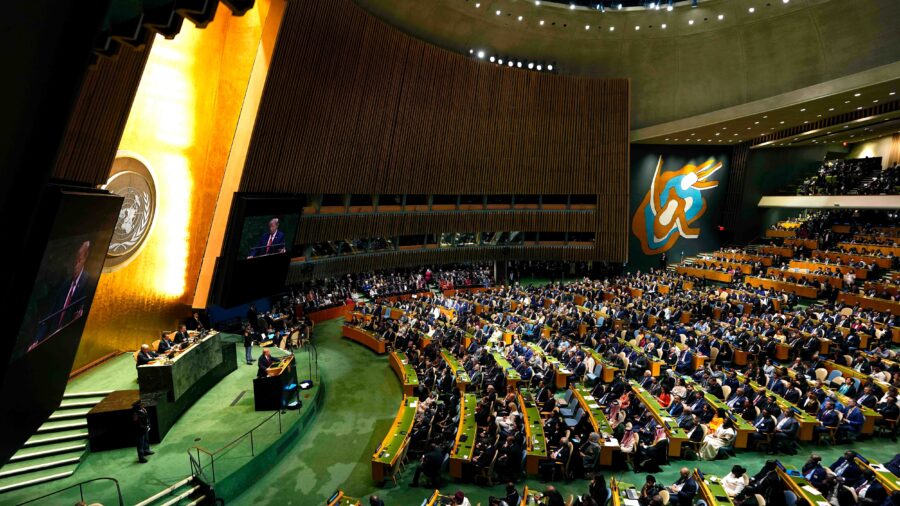
Regarding artificial intelligence, the United Nations has sought to establish global regulatory standards. In 2024, the UN General Assembly approved a resolution intended to guide the development and deployment of AI systems. The initiative focuses on preventing the technology from becoming autonomous in ways that could threaten human safety.
The Path Forward
The dual challenges of environmental degradation and technological advancement require coordinated strategies. Policymakers argue that current international frameworks are essential for managing the risks associated with these threats. Future efforts will likely focus on the implementation and enforcement of these existing agreements to ensure compliance across member states.
Why it matters: Global stability and human survival depend on the collective management of environmental and technological risks. Agreements like the Paris Accord and UN resolutions represent the primary tools available for nations to synchronize their efforts against existential threats.