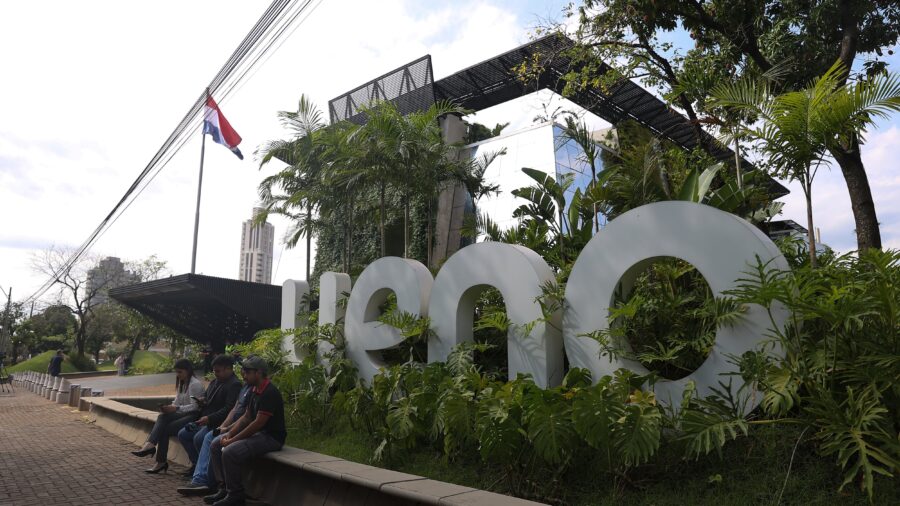
Ueno, the online bank launched by Paraguay’s Grupo Vázquez, ceased operations on Tuesday after a three‑year surge that attracted nearly three million adult customers.
November 2020 – Launch
Grupo Vázquez, a conglomerate with interests across Paraguay’s economy, introduced Ueno as a digital‑only bank modeled on neobanks such as Revolut. The new entity aimed to capture market share with aggressive customer‑acquisition tactics.
2021‑2022 – Rapid Expansion
Within two years, Ueno grew from an unknown startup to a platform where almost 60% of Paraguay’s adult population had deposited funds. The bank promoted a credit‑card program that offered up to 40% cashback on all purchases, a feature that drove mass enrollment.
2022‑2023 – Sponsorship Push
Ueno amplified its brand visibility through sports sponsorships, further boosting its appeal among young and middle‑class consumers. The combination of high cashback rates and high‑profile marketing sustained a steep increase in user numbers.
Early November 2023 – Collapse
On Tuesday, the bank abruptly declared bankruptcy, leaving its customers without access to deposits. Former finance minister Dionisio Borda described the failure as “a typical case of a foretold death,” citing the unsustainable nature of the cashback model.
Current Situation
Regulators are assessing the fallout and exploring options to protect depositors. The collapse highlights risks associated with rapid fintech growth in emerging markets.
Why it matters: The sudden shutdown of Ueno affects nearly three million Paraguayans who relied on the bank for everyday transactions and savings, underscoring the vulnerability of consumers to aggressive fintech promises in the region.