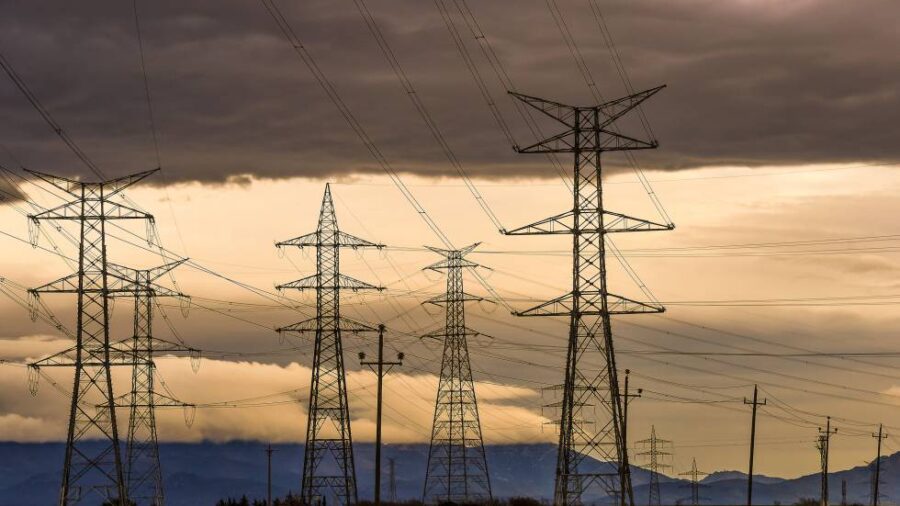
Santander has asked the European Commission to amend EU energy rules to make it easier for private investors to finance large cross‑border electricity interconnections.
The Spanish bank conveyed its request during a meeting on Oct. 13 in Brussels with officials from the cabinet of Teresa Ribera, the EU executive vice‑president for a Clean, Fair and Competitive Transition.
Santander said current regulations create obstacles that deter private capital from participating in the financing of major interconnection projects linking national power grids.
The bank argued that clearer rules and stronger investor guarantees are needed to unlock the funding required for these infrastructure works, which are deemed essential for the EU’s energy transition and security of supply.
Key points raised by Santander
- Existing EU energy market rules limit the ability of private firms to invest in cross‑border transmission projects.
- Regulatory uncertainty increases perceived risk, raising the cost of capital.
- Enhanced guarantees and streamlined approval processes would make projects more attractive to banks and institutional investors.
Context and implications
Cross‑border interconnections are central to the EU’s plan to integrate renewable energy sources and reduce dependence on fossil fuels. The Commission has been promoting a clean energy transition, but financing gaps remain for large‑scale grid upgrades.
Santander’s appeal reflects broader industry concerns that public funding alone will not meet the billions of euros needed for the next decade of infrastructure development.
The bank did not disclose specific projects it is targeting, but highlighted the general need for regulatory reform to enable private sector participation.
EU officials have not yet responded publicly to Santander’s proposals.
Why it matters: Faster, private‑sector‑driven investment in electricity interconnections could improve regional energy security and support the integration of renewable power across Europe, including markets in the Middle East and Egypt that are increasingly linked to European energy networks.