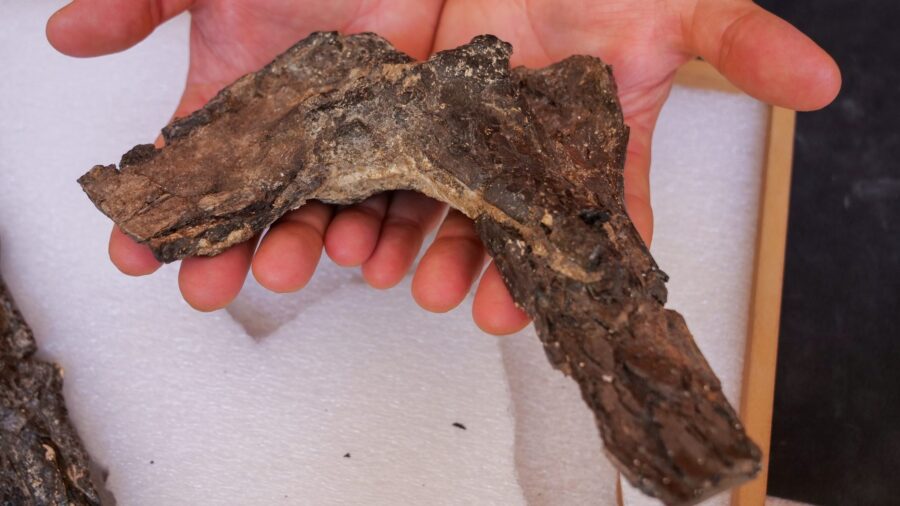
Researchers have identified microscopic structures in a Brazilian dinosaur fossil that resemble red blood cells, dating back approximately 115 million years. This discovery suggests that biological material can remain preserved within fossilized bone for millions of years, according to a study published in the Proceedings of the National Academy of Sciences.
Key Findings on Ancient Biological Traces
- Blood cell resemblance: The fossilized bone contained oval-shaped structures measuring roughly 23 by 20 micrometres, which mimic the appearance of red blood cells.
- Chemical verification: Scientists detected chemical signatures of heme, an iron-containing component of hemoglobin, within the structures to confirm their biological origin.
- Strategic location: The structures were situated inside channels that once housed blood vessels, distinguishing them from potential microbial activity or sediment contamination.
- Advanced analysis: Researchers utilized independent microscopic and chemical techniques to identify elements including iron, carbon, and nitrogen associated with heme B.
Examining the Aratasaurus Fossil
The bone sample originated from an Aratasaurus, a carnivorous theropod dinosaur skeleton discovered in northeastern Brazil in 2008. Previous assessments indicate the animal was approximately four years old at the time of death, measuring 3.1 meters in length and weighing 34 kilograms.
Lead author Kliti Grice, a geochemistry professor at Curtin University, noted that the preservation of original biological molecules in vertebrate fossils has historically faced skepticism. Biological materials typically decompose rapidly or integrate with environmental contaminants. However, the study argues that the combination of microscopic appearance, specific anatomical location, and chemical composition offers strong evidence for fossilized red blood cell remains.