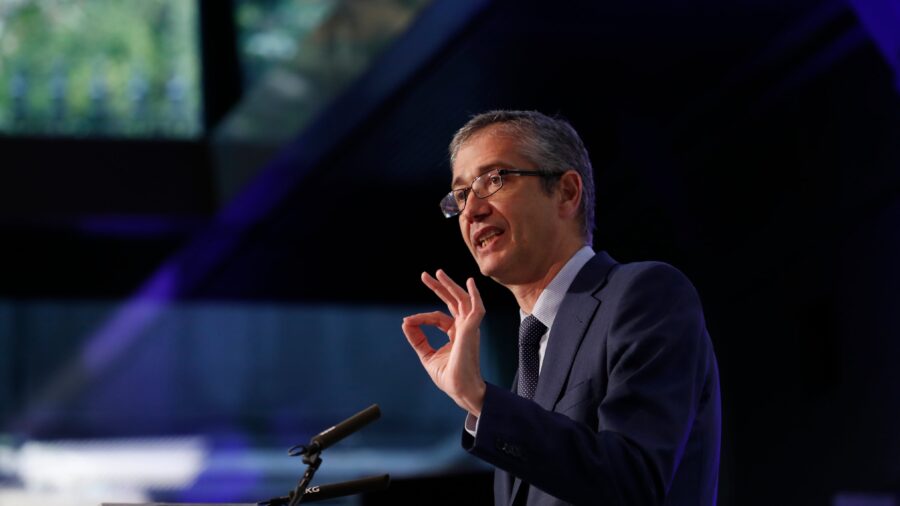
Eurozone leaders are gathering in Brussels on Thursday to finalize the leadership structure of the European Central Bank (ECB), with the presidency of the institution remaining the central point of negotiation. Spanish candidate Pablo Hernández de Cos has emerged as a frontrunner, securing critical support from Germany and France.
Key Developments in ECB Leadership Negotiations
- Leadership race: The selection process for the next ECB president has reached a critical stage ahead of the Brussels summit.
- Frontrunner status: Pablo Hernández de Cos of Spain holds the backing of major economies, including Germany and France.
- Dutch resistance: The Netherlands continues to push for its own candidate, Klaas Knot, despite calls for his withdrawal.
- Diplomatic pressure: Sources in Brussels report ongoing efforts to persuade the Netherlands to concede and avoid a formal, contested vote.
Standoff Over ECB Presidency
The appointment process has pitted Spain against the Netherlands. While Hernández de Cos has consolidated significant political capital through endorsements from Berlin and Paris, the Dutch government has not signaled an intent to withdraw Klaas Knot from consideration. Diplomatic sources in Brussels indicate that the Netherlands remains committed to its candidate, resisting pressure to clear the path for the Spanish nominee.
Negotiators are attempting to reach a consensus before the summit concludes to prevent a fractured voting process. A formal vote would mark a rare public division among eurozone member states regarding the leadership of their primary monetary authority. The outcome of these discussions will determine the direction of the ECB’s monetary policy and its governing board composition for the coming term.
Why it matters: The composition of the ECB leadership is essential for the stability of the eurozone’s financial policy. As the bloc faces ongoing economic challenges, the ability of member states to reach a consensus on central bank governance impacts market confidence and the coordination of monetary strategy across Europe.