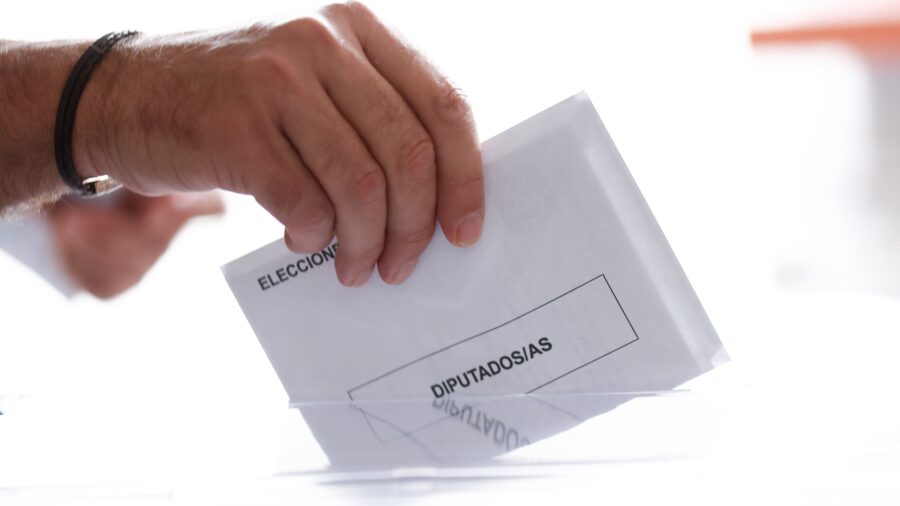
At a bustling polling station in Cairo, a young woman places her ballot into the box, aware that her single vote is one among 39 million registered voters. The scene underscores a broader debate about the impact of individual votes in the country’s upcoming election.
Election officials and analysts point to historical data and recent polls indicating that the outcome will likely be decided by hundreds of thousands of votes, not a handful. They note that whether the left-leaning coalition or the party led by former prime minister Núñez Feijóo secures victory, the margin will be substantial.
“The numbers show a clear trend,” said a senior statistician at the National Election Authority. “A single vote does not swing the result, but the aggregate of many votes does.”
Opposition leaders, however, argue that dismissing the importance of each ballot could depress turnout. “When people feel their vote is meaningless, they stay home,” said a spokesperson for the Progressive Front. “High participation is essential for legitimacy, regardless of the projected margin.”
Voter education campaigns across the country have emphasized that while one vote may not change the final tally, collective participation shapes policy direction and reinforces democratic norms. NGOs have distributed flyers and hosted community talks to encourage citizens to vote, citing the principle that democracy functions best when the electorate is fully engaged.
International observers will monitor the election for fairness and transparency. Their reports are expected to influence foreign investment decisions and diplomatic relations, especially as Egypt navigates regional economic challenges.
Why it matters: The election will determine the balance of power between leftist and centrist forces in Egypt, affecting domestic reforms and the country’s role in the Middle East. Understanding the scale of the electorate and the statistical margins helps voters assess the significance of their participation in shaping the nation’s future.