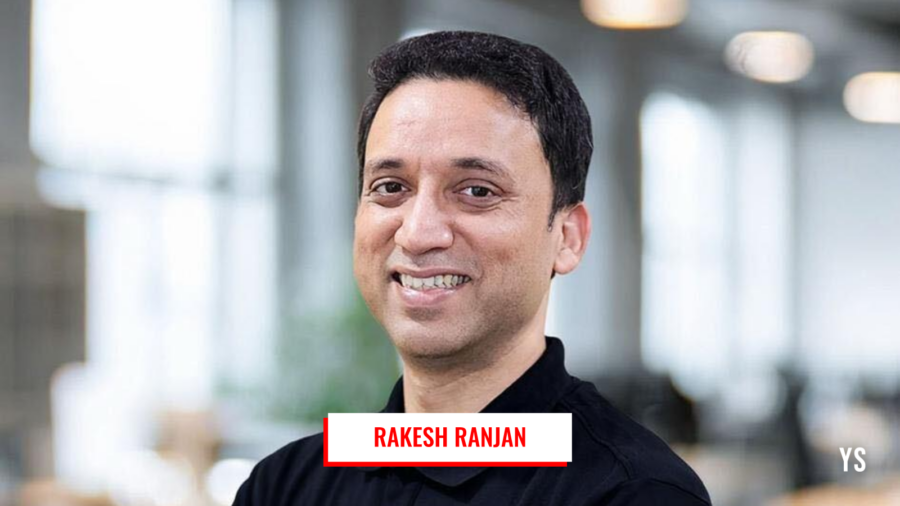
Uber has appointed Rakesh Ranjan as its new President for India and South Asia. The mobility company selected the former Zomato executive to lead its regional growth strategy, focusing on expanding market presence in one of its most critical international territories.
2017: Zomato Tenure Begins
Rakesh Ranjan joined the food delivery firm Zomato in 2017. During his eight-year tenure, he held several leadership positions, including roles within the Zomato Gold division and sales operations. He eventually served as the CEO of Zomato’s food ordering and delivery business.
2024–2026: Transition Period
Following his time at Zomato, Ranjan moved to Allen Online, where he served as CEO. Uber initiated a search for its regional leadership role that lasted more than three months before selecting Ranjan for the position.
January 4, 2027: Appointment Effective
Ranjan will officially assume his duties as President for India and South Asia on January 4, 2027. He will report directly to Dom Taylor, Uber’s Regional General Manager for Asia Pacific. In a statement, Taylor noted that the company sought a candidate with specific experience managing large-scale consumer businesses in India.
Current Market Position
Uber currently operates in over 225 cities across India, providing services ranging from motorcycles and auto-rickshaws to cars and metro connectivity. The region represents the company’s third-largest market globally by trip volume, trailing only the United States and Brazil. With more than two million active drivers and significant technology hubs in Bengaluru and Hyderabad, the region remains a central pillar of Uber’s international strategy.
Why it matters: India serves as a vital market for Uber, functioning as its second-largest region by the number of earners and home to its largest tech centers outside the United States. This leadership change signals the company’s intent to sustain growth and innovation in a competitive, high-volume market.