Shifting Political Tides
From Vancouver to Brussels, political observers greeted the recent U.S. midterm election results with notable enthusiasm. Voters delivered a firm rebuke of President Donald Trump’s policies, a development that prompted immediate reflection among European allies regarding the future of transatlantic relations.
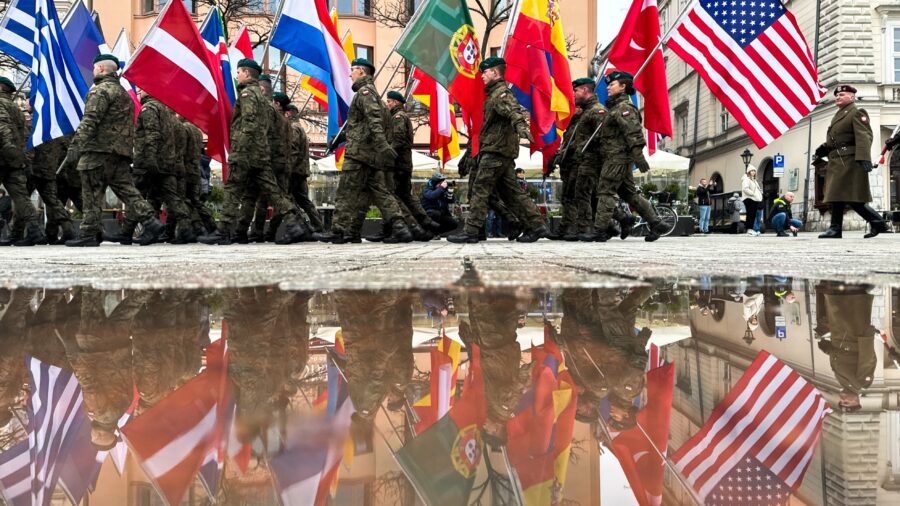
While many officials view the election outcome as a temporary reprieve, analysts suggest that the political landscape in Washington has undergone a fundamental transformation. The prevailing sentiment among some European policymakers is that the United States is unlikely to return to its traditional role in global affairs, regardless of future shifts in the White House.
The Call for Autonomy
Observers argue that the era of relying solely on American leadership has effectively ended. The election results have sparked a debate across European capitals about the necessity of developing independent strategies for security and economic policy. Experts note that European nations can no longer assume that historical alliances will provide the same level of stability or cooperation as in previous decades.
The central challenge for European leaders is to determine how to navigate a world where U.S. political volatility remains a persistent factor. Rather than waiting for a return to the status quo, the current discourse suggests a pivot toward self-reliance. This approach seeks to insulate European interests from the cyclical nature of American domestic politics, ensuring that regional priorities are addressed without total dependence on Washington’s shifting agenda.
Why it matters: This story highlights a growing consensus among international allies that U.S. foreign policy has become unpredictable and potentially unreliable. For global partners, including those in the Middle East and Egypt, it underscores the strategic necessity of diversifying diplomatic and economic ties rather than relying on a single major power for regional security.