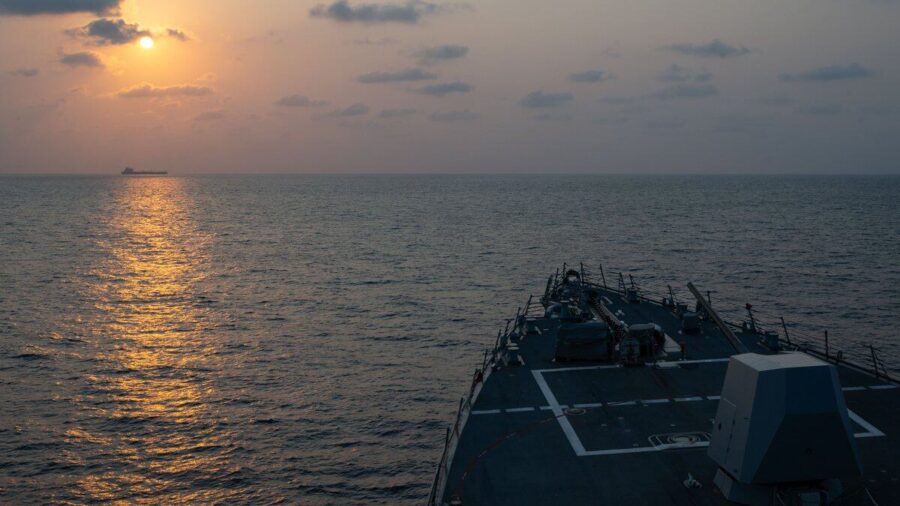
Rising tensions in the Persian Gulf are creating market volatility as investors weigh the potential for escalated conflict following upcoming elections in the United States and Israel. While crude oil markets remain sensitive to geopolitical instability, analysts indicate that fears of future disruption are currently driving market behavior as much as actual events.
Market Uncertainty and Oil Logistics
Countries in the Persian Gulf region have secured alternative export routes for their oil products, according to market reports. However, these logistical adjustments have increased transportation costs and reduced overall market certainty. Current reserves, particularly of diesel, are mitigating immediate price shocks, but persistent conflict threatens to weaken economic stability.
The Intersection of Politics and Conflict
The timing of potential military action against Iran remains a focal point for international observers. Reports suggest that U.S. President Donald Trump prefers to delay aggressive policy shifts until after the November 3 midterm elections to avoid driving fuel prices higher. Conversely, Israeli Prime Minister Benjamin Netanyahu has reportedly signaled a preference for taking action before his country’s own legislative elections, scheduled for the previous Tuesday.
This divergence in timing strategies creates a period of high anticipation. Investors are expressing concern as no clear diplomatic resolution appears imminent. Historical precedents, such as the conflict in Ukraine, suggest that prolonged geopolitical instability negatively affects both national economies and individual consumers.
Why it matters: The potential for conflict in the Persian Gulf directly impacts global energy prices and supply chains. For countries in the Middle East and Egypt, where regional stability is critical for economic planning and trade, the uncertainty surrounding oil logistics and potential military escalation poses a direct risk to fiscal health and energy security.
 Egypt
 Saudi Arabia
 UAE
 Spain
 United Kingdom
 United States
 China
 India