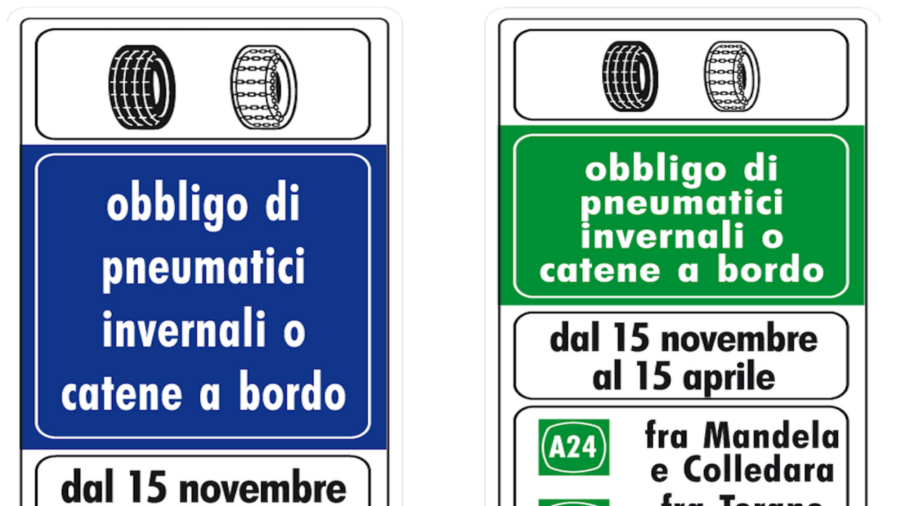
Drivers in Italy must transition to winter tires or carry snow chains starting November 15. This regulatory requirement applies to most roads across the country to ensure vehicular safety during the colder months.
Key Mandate Details
- Mandatory timeline: The requirement for winter equipment begins on November 15 and continues through April 15.
- Grace period: Authorities provide a two-month window, starting October 15, for drivers to replace summer tires with M+S (Mud and Snow) rated equipment.
- Equipment standards: Vehicles must be fitted with winter tires or carry appropriate snow chains on board to remain compliant with traffic regulations.
- Road coverage: The mandate applies to specific roads and highways determined by local authorities, typically marked by signage.
- Legal consequences: Drivers found without proper equipment on designated routes during the enforcement period face fines and potential vehicle impoundment.
Regulatory Context
The transition period allows drivers to prepare their vehicles before the onset of severe weather conditions. By allowing a window starting in mid-October, regulators aim to reduce the burden on tire service centers and prevent last-minute compliance issues. The M+S designation on tires is the minimum standard required for travel on routes subject to these ordinances.
Local authorities retain the discretion to extend these requirements based on specific regional weather patterns. Drivers are encouraged to consult local traffic ordinances, as signage dictates the specific enforcement zones. Failure to adhere to these mandates can result in administrative penalties, including fines and the potential restriction of vehicle use on affected roads until compliant equipment is installed.
Why it matters: This annual requirement directly impacts road safety and traffic flow in Italy during winter. For international travelers or expatriates in the region, understanding these seasonal transitions is essential to avoiding legal penalties and ensuring safe navigation through mountainous or cold-weather zones.
 Egypt
 Saudi Arabia
 UAE
 Spain
 United Kingdom
 United States
 China
 India
