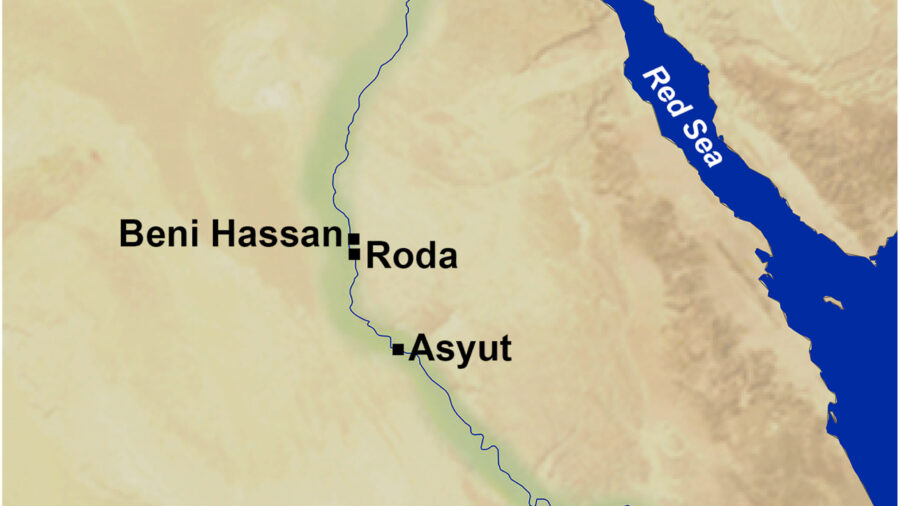
A collection of 131 cat skulls, unearthed at the ancient Egyptian cemetery of Beni Hassan in the 19th century and now housed at the Natural History Museum in Vienna, is providing insight into the lives of animals prepared as sacred offerings thousands of years ago. A study published in the *Journal of Archaeological Science* indicates that many of these cats endured disease and violence before their deaths.
Analyzing Ancient Feline Remains
Researchers examined the skulls and teeth to determine species, age, and health conditions. The study revealed that 81 of the 131 cats—roughly 62%—exhibited at least one pathological condition, such as periodontal disease, missing teeth, or damaged skull surfaces. While researchers identified most animals as domestic cats, seven were categorized as jungle cats, a wild species larger than their domestic counterparts.
The physical evidence suggests that these animals did not always lead peaceful lives. Fourteen skulls showed signs of traumatic injuries. Some damage, including fractures and cuts, indicates potential human involvement. Other punctures were consistent with bites from other cats. While some wounds showed signs of healing, researchers believe deliberate blows may have killed some of the animals before they were mummified as votive offerings.
Investigating Captivity and Origins
Wim Van Neer, the study’s lead author and an archaeozoologist at the Royal Belgian Institute of Natural Sciences, noted that the team aimed to understand how these animals lived. The findings suggest that both wild and domestic cats were likely kept under similar captive conditions. The research also involved carbon and nitrogen analysis to investigate the diets and environments of 16 of the cats.
The study clarifies that these animals were not necessarily bred in controlled environments. Evidence suggests some may have been captured from the wild. Despite these findings, researchers noted that the limited remains—consisting only of skulls—prevent a full diagnosis of all diseases and leave questions about specific housing practices.
 Egypt
 Saudi Arabia
 UAE
 Spain
 United Kingdom
 United States
 China
 India
