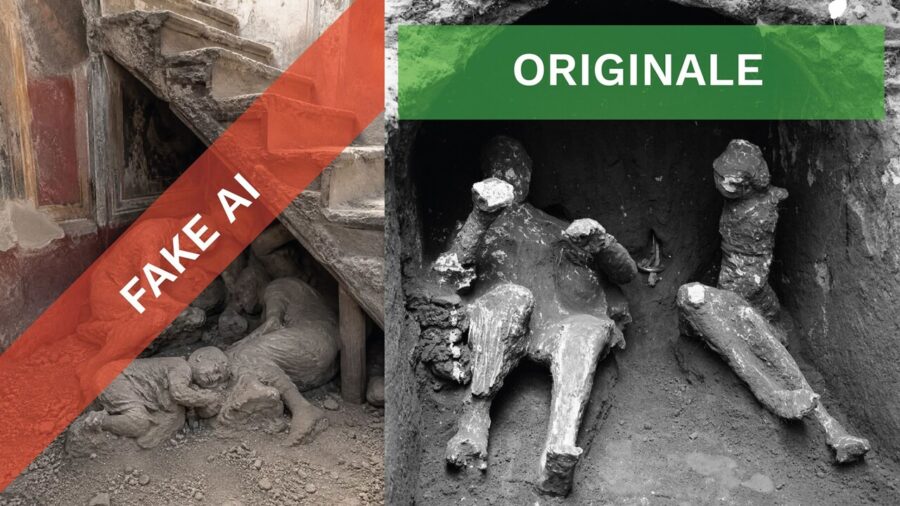
The director of the Pompeii Archaeological Park, Gabriel Zuchtriegel, has issued a public warning regarding the rise of artificial intelligence used to create misleading representations of the ancient site on social media. Zuchtriegel specifically criticized the generation of fabricated images depicting victims of the eruption of Mount Vesuvius.
Key Takeaways
- AI-generated imagery: The director identified a growing trend of social media users employing artificial intelligence to depict the Roman site inaccurately.
- Focus on victims: Zuchtriegel singled out AI-generated depictions of the victims of the Vesuvius eruption as particularly problematic and “repugnant.”
- Call for ethics: The park leadership is advocating for a broader, shared public reflection on the ethical implications of using historical sites for digital fabrication.
- Institutional response: The warning emphasizes the park’s stance on maintaining the integrity of historical narratives against digital distortion.
Addressing Digital Misinformation
Zuchtriegel described the use of AI to fabricate scenes involving Pompeii’s victims as “repugnant.” The director noted that these digital creations often circulate on social media platforms without context, leading to confusion among the public regarding historical accuracy. By manipulating images of the archaeological site, content creators risk distorting the historical reality of the tragic 79 AD event that destroyed the city.
Need for Shared Reflection
The Archaeological Park of Pompeii is calling for a collective discussion regarding the use of historical data and imagery in the age of artificial intelligence. Officials suggest that the rapid evolution of technology requires new standards for how historical sites are represented online. The park aims to foster a more responsible approach to digital storytelling, ensuring that educational and historical value is not compromised for engagement or sensationalism.
 Egypt
 Saudi Arabia
 UAE
 Spain
 United Kingdom
 United States
 China
 India
