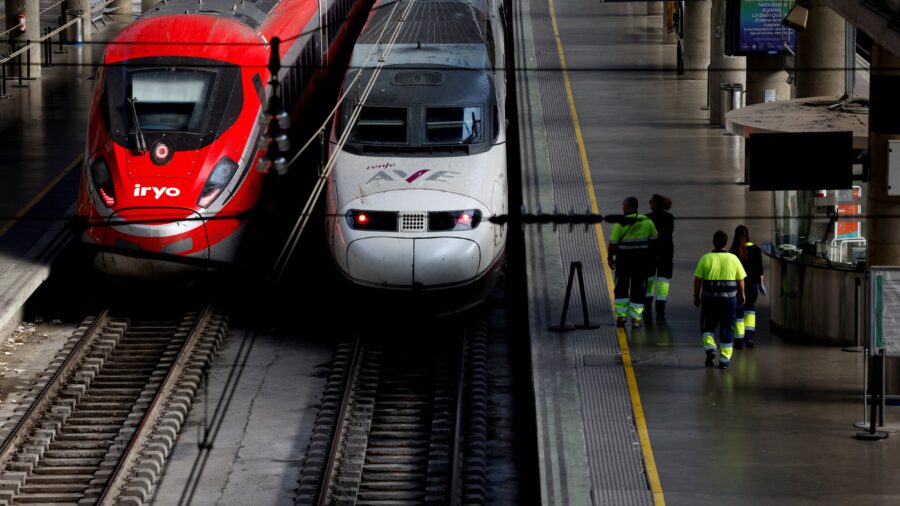
Passenger traffic on the high-speed rail line connecting Madrid and Seville has doubled since the market opened to competition in 2023. The route, Spain’s first high-speed rail corridor, remains a critical link in the national transportation network.
Recent Incident Highlights Infrastructure Focus
A rail accident occurred Wednesday in the town of Urda, located in the province of Toledo. Authorities are currently assessing the impact of the incident on the line, which has experienced significant operational changes over the past year. The corridor originally launched service on April 21, 1992, establishing high-speed rail travel in Spain.
Market Liberalization Impacts
The surge in volume follows the broader liberalization of the Spanish rail sector. Since 2023, multiple operators have entered the market, leading to increased service frequency and lower ticket prices for passengers traveling between the capital and southern Spain. This shift mirrors trends seen in other European markets where competition has led to higher ridership numbers.
Why it matters: The doubling of traffic volume on the Madrid-Seville line demonstrates the direct impact of market liberalization on rail infrastructure utilization. For international observers and transportation planners, this case study underscores how competitive entry can drive significant increases in passenger capacity on established high-speed routes, while simultaneously raising new challenges regarding safety management and infrastructure maintenance as the system reaches higher operational intensity.
 Egypt
 Saudi Arabia
 UAE
 Spain
 United Kingdom
 United States
 China
 India
