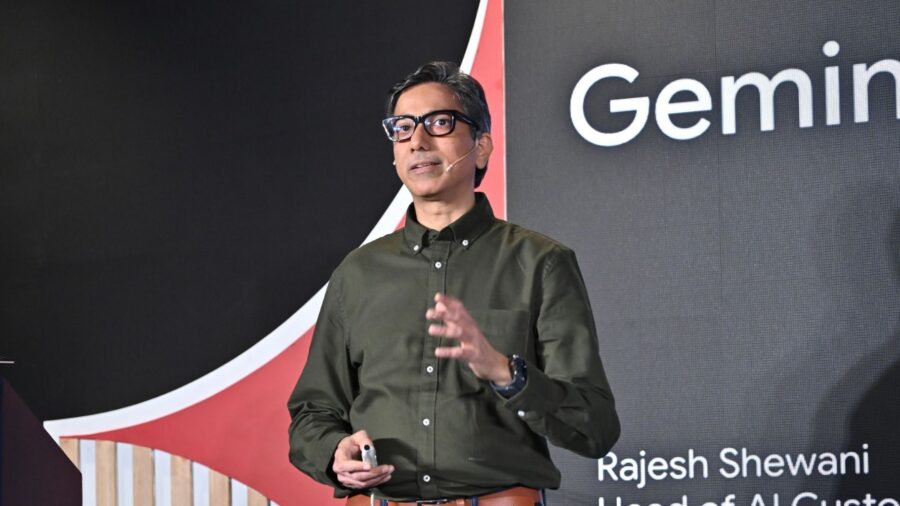
A user uploads 80,000 files to an artificial intelligence system. Moments later, the software generates a completed presentation featuring charts, images, and a cohesive narrative. This demonstration, presented by Rajesh Shivani at TechSparks 2026, illustrates a shift in how businesses utilize artificial intelligence, moving from simple question-answering tools to agents capable of executing complex workflows.
The Evolution of Agentic Systems
Shivani, head of AI customer engineering at Google Cloud, described this transition as the rise of “agentic AI.” Unlike early chatbots that primarily functioned as information retrieval interfaces, these newer systems are designed to plan tasks and interact with external tools on behalf of a user. Shivani defined an agent as a core model supported by a “harness”—infrastructure that manages memory, user permissions, and specific task execution.
According to Shivani, successful implementation requires four components: a defined goal, precise instructions, relevant knowledge, and the tools to act. He emphasized that integrating internal company data is critical, as general-purpose models often lack context regarding specific internal processes.
Practical Applications in Voice and Development
The presentation showcased several real-world applications, including a voice-based system for a ride-hailing service that manages airport pickups in over 85 languages. Other demonstrations highlighted the following capabilities:
- Voice Localization: AI tools capable of dubbing videos into multiple languages while synchronizing lip movements and facial expressions.
- Banking Automation: Virtual assistants that guide customers through financial decisions, such as renewing a certificate of deposit, and execute the transaction directly.
- Software Security: Tools designed to identify vulnerabilities in code, generate patches, and test those fixes within a sandbox environment.
 Egypt
 Saudi Arabia
 UAE
 Spain
 United Kingdom
 United States
 China
 India
