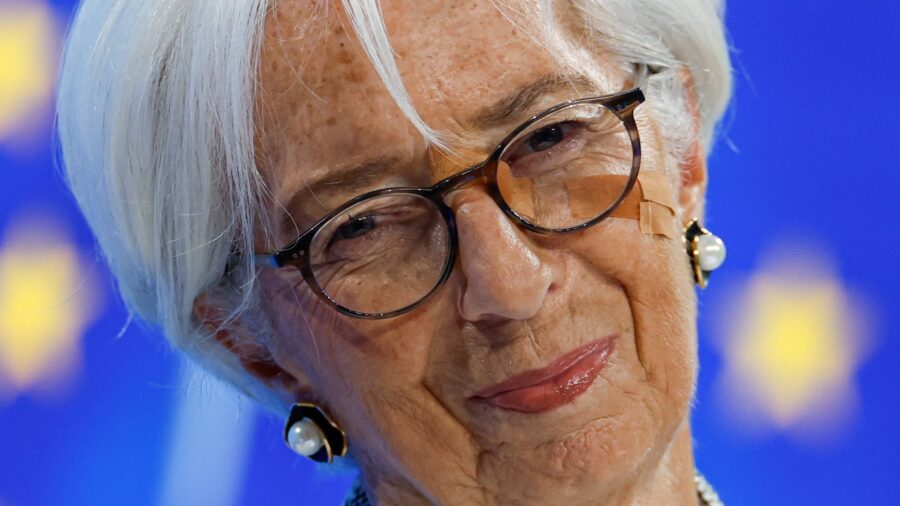
European Central Bank (ECB) President Christine Lagarde announced on Thursday she will step down from her position in February. The move marks the end of her tenure and triggers the formal process to select her successor.
Lagarde’s decision follows months of speculation regarding her future at the institution. Officials noted that delaying the announcement further would have complicated the transition process or left an insufficient timeframe for a successor to take office. The resignation concludes a series of personnel changes within European financial institutions that began earlier this year with the departure of the Governor of the Bank of France.
Leadership Transition at the ECB
The leadership change creates an opening at the top of the ECB, a central institution for the European project. European Union leaders are now tasked with negotiating appointments for three of the six seats on the bank’s executive committee.
This restructuring comes at a critical time for the Eurozone economy. The executive committee manages monetary policy and oversight for the currency bloc, making the selection process a priority for EU member states. The board currently consists of only six members, meaning the replacement of three positions represents a significant shift in the bank’s governance.
Context and Next Steps
The departure of the governor of the Bank of France in February set in motion a broader realignment of European economic leadership. Observers suggest the timing of these departures allows EU policymakers to coordinate the renewal of the executive committee. The succession process is expected to involve intensive negotiations among EU leaders to ensure continuity in monetary policy as the ECB navigates ongoing economic challenges.
Why it matters: The ECB serves as the primary monetary authority for the Eurozone, and its leadership decisions directly impact global markets and economic stability. For international observers and investors, the selection of a new executive committee will signal the future direction of the bank’s policy approach and its commitment to regional economic stability.
 Egypt
 Saudi Arabia
 UAE
 Spain
 United Kingdom
 United States
 China
 India
