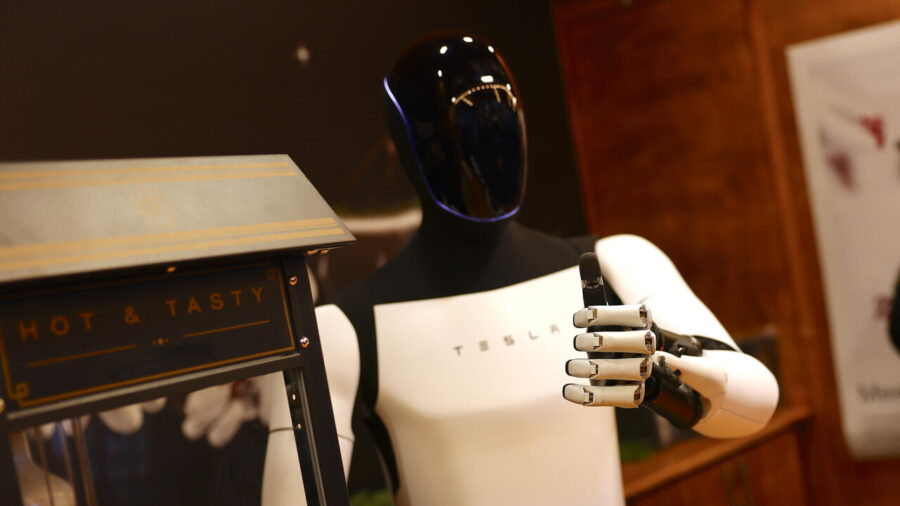
At a Tesla assembly line in Fremont, California, a group of technicians gathered around a metal frame as a humanoid robot lifted a battery module, mimicking the motion of a human worker. The scene highlighted the company’s push to train its Optimus robots to perform tasks currently done by employees.
Tesla announced that Optimus units are being taught to handle repetitive and physically demanding jobs in its U.S. factories. The company says the robots will learn by observing human workers and using sensor data to replicate movements.
However, a coalition of workers represented by the United Auto Workers union has raised objections. They argue that the training program could lead to job displacement and that employees were not consulted before the rollout. Union representatives called for a halt to the robot deployment until impact assessments are completed.
Tesla officials responded that the robots are intended to augment the workforce, not replace it, and that safety and efficiency gains will benefit both the company and its employees. The firm plans to continue the pilot program through the end of the year.
Potential Impact
Analysts note that widespread adoption of Optimus could reshape labor needs in automotive manufacturing. If successful, the technology may be expanded to other facilities, prompting further dialogue between management and labor groups.