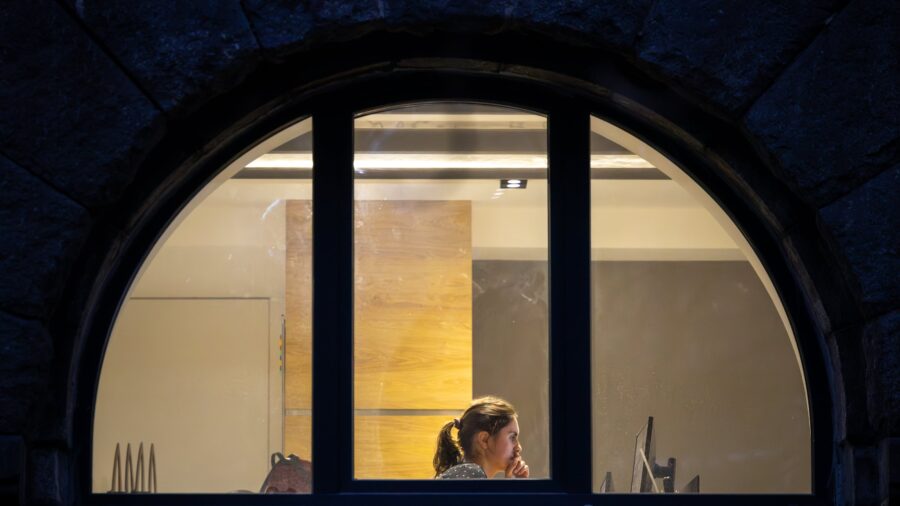
Worker focus is declining rapidly in the modern digital workplace, with employees now averaging less than one minute of concentration before switching tasks. Researchers attribute this trend to constant interruptions from emails, messaging apps, and frequent meetings.
Key Findings on Workplace Focus
- Decreasing attention spans: Research from the University of California indicates that the average time a person remains focused on a single task has dropped from 2.5 minutes to just 47 seconds over the past two decades.
- Cognitive switching costs: Experts note that the human brain requires approximately 24 minutes to fully transition from one task to another, a phenomenon known as residual attention.
- The cost of distraction: Constant interruptions from digital notifications and meetings create a significant cognitive burden, reducing overall productivity and the ability to maintain deep focus.
- Strategic solutions: Author Cal Newport proposes four methods for improving focus, including monastical isolation, bimodal scheduling, rhythmic time-blocking, and journalistic opportunistic work.
The Challenge of Deep Work
In the era of artificial intelligence, the ability to maintain focus has become a premium asset. According to University of California researcher Gloria Mark, the fragmentation of attention is a direct consequence of the modern office environment. The constant influx of digital communication prevents employees from engaging in sustained, high-value cognitive work.
Cal Newport, a computer science professor at Georgetown University, outlines methods to combat this in his book Deep Work. The “monastic” approach involves isolating oneself for extended periods to focus on a single, complex task, a method reportedly utilized by figures such as Bill Gates. Other approaches include the bimodal model, which alternates between deep focus and lighter work, and the rhythmic rule, which dedicates specific, recurring daily blocks to demanding tasks. The journalistic model allows for flexibility, enabling professionals to capitalize on available time slots for deep work.