Progress and Persistent Gaps
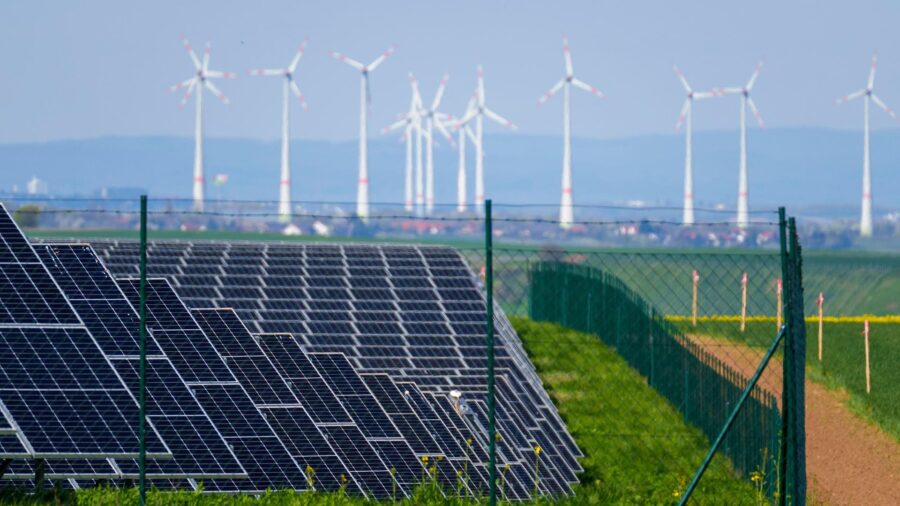
Germany has reduced its carbon dioxide emissions by nearly 50% since 1990, marking a significant shift in the nation’s industrial and energy landscape. Despite this progress, the country currently remains off track to meet its established climate targets, according to data presented at the ongoing global climate summit.
The conference serves as a critical forum for discussing the transition away from fossil fuels. Government officials and policy experts are focused on the central challenge of replacing coal, oil, and gas with sustainable energy sources to align national policies with international climate commitments.
The Path Forward
The current discussions at the summit highlight the complexities of decarbonizing a major industrial economy. While the substantial reduction in emissions since 1990 demonstrates the effectiveness of previous policy measures, the remaining gap underscores the difficulty of eliminating dependency on traditional energy sectors. The summit participants are evaluating strategies to accelerate the phase-out of hydrocarbons and stabilize domestic energy supplies while adhering to environmental mandates.
Why it matters: Germany’s struggle to bridge the gap between its emission reduction achievements and its ultimate climate targets serves as a case study for other nations. For countries in the Middle East and Egypt, which are actively balancing economic development with global energy transition pressures, Germany’s experience illustrates the persistent challenges of fully phasing out fossil fuels while maintaining energy security during a complex industrial shift.