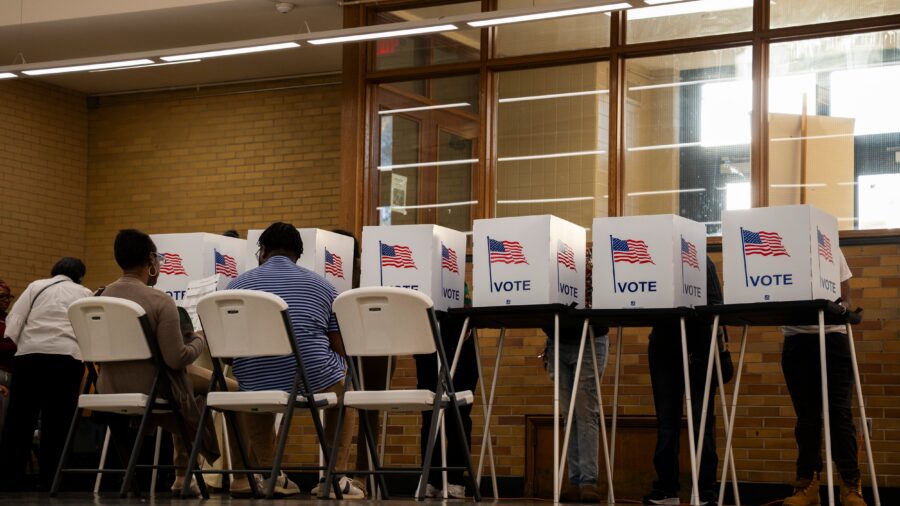
Tensions surrounding the Strait of Hormuz have placed geopolitical stability at the center of financial markets throughout 2026. While energy and trade security remain urgent concerns, analysts are also closely watching major electoral processes in the United States, France, and Spain. Although these nations face similar economic and political pressures, the outcomes of their respective elections are expected to diverge significantly.
Global Market Volatility
Market observers note that the geopolitical climate has become a decisive factor for global economic performance this year. Instability in critical shipping lanes, particularly near Hormuz, continues to threaten supply chains and energy prices. Financial experts argue that the upcoming political transitions in three Western powers add another layer of uncertainty for international investors.
Electoral Contexts
While the United States, France, and Spain share common challenges, their domestic situations present distinct political landscapes. Each country is navigating internal pressures that could fundamentally shift their foreign policy stances and trade relationships. Experts suggest that the results will influence how these nations address the current geopolitical tensions currently impacting global markets.
As these election cycles progress, market participants are bracing for potential shifts in regulatory environments and international alliances. The outcomes will likely dictate the diplomatic and economic strategies these countries employ to manage ongoing global crises in the coming months.
Why it matters: The synchronized electoral uncertainty in the U.S., France, and Spain creates a complex environment for global markets already strained by instability in the Strait of Hormuz. For observers in the Middle East and Egypt, these elections are critical, as the resulting leadership changes will directly impact future diplomatic and economic policies regarding regional maritime security and trade routes.