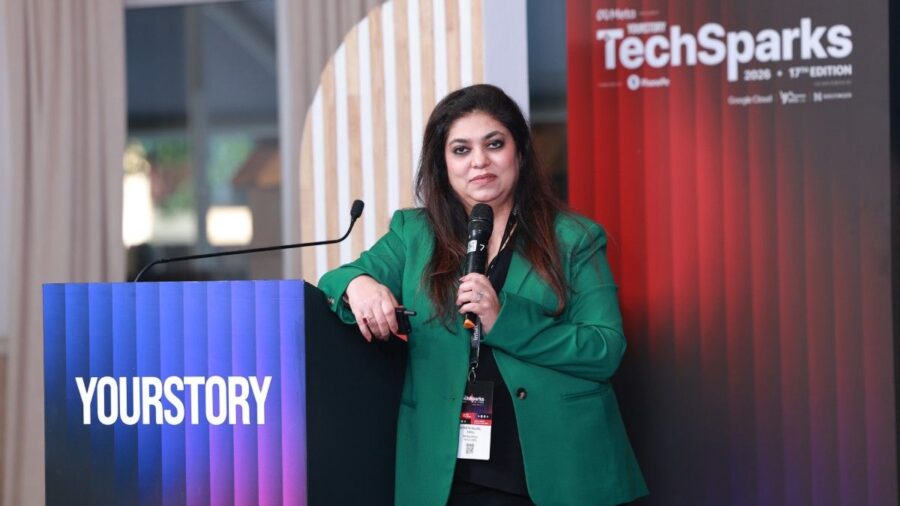
Shweta Rajpal Kohli, President and CEO of the Startup Policy Forum, argued that storytelling serves as a critical competitive advantage for early-stage companies. Speaking at TechSparks 2026, Kohli advised founders to integrate narrative development into their business models before achieving product-market fit.
The Role of Narrative
Kohli stated that investors and customers often view startups as stories that lack initial credibility. She emphasized that while technology and capital are essential, they are easily replicated by competitors. Founders must articulate a distinct narrative that explains the necessity of their business, their personal qualifications for leading it, and the relevance of the timing.
Identifying the Mission
During a masterclass, Kohli analyzed the founding of the Startup Policy Forum to illustrate her point. She noted that while she initially focused on the operational aspects of the organization, she failed to highlight the specific gap in the ecosystem that necessitated its creation: the lack of a dedicated institution to represent startup policy concerns to the government. She advised founders to focus on the “why” behind their mission rather than just the goals themselves.
Implementing Storytelling Techniques
Kohli recommended that founders move beyond presenting market statistics and instead use anecdotes and sensory details to demonstrate the life-changing potential of their products. She suggested documenting the early phases of business development, such as initial office setups or interactions with early employees. Founders who struggle with writing can use AI tools to transcribe verbal accounts of their experiences, she added.
Current Status
Founders are encouraged to view storytelling as a foundational business activity rather than a post-product consideration. By capturing small, authentic moments and aligning them with a clear mission, companies can create a unique identity that is difficult for competitors to replicate.