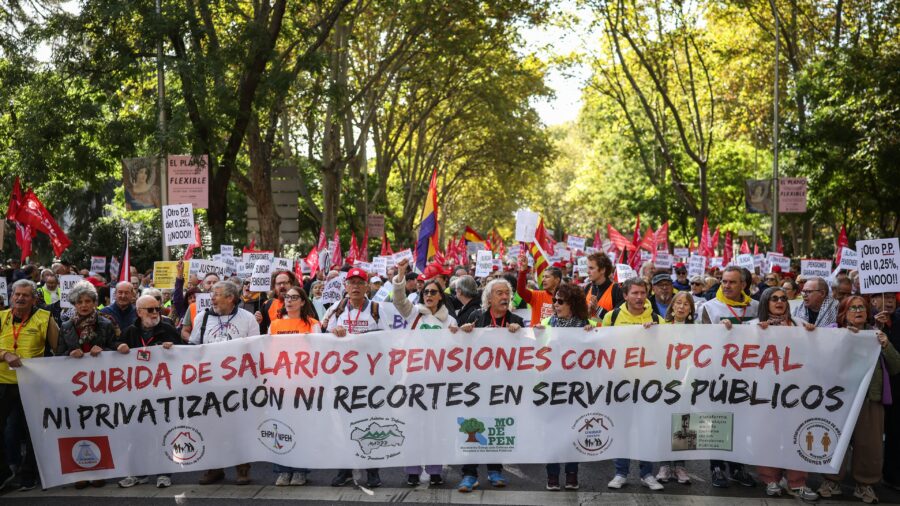
Workers are facing a widening gap between their earnings and rising costs as wage increases fail to keep pace with inflation. According to data released by the Ministry of Labor, collective bargaining agreements resulted in salary growth of slightly more than 3 percent through October, while the national inflation rate has reached 4.9 percent.
Key Takeaways
- Wage gap widening: Salaries covered by collective agreements grew by roughly 3 percent, significantly trailing the 4.9 percent inflation rate.
- Outdated expectations: The current salary data reflects inflation forecasts made before price surges linked to the Hormuz crisis.
- Purchasing power loss: The disparity between income and inflation is eroding the real earnings of the workforce.
- Strike action: Labor unions have scheduled a general strike for Wednesday in response to these economic conditions.
- Housing crisis: Rising housing costs and their impact on household budgets serve as a central theme for the upcoming labor protests.
Economic Mismatch
The Ministry of Labor report indicates that salary adjustments this year were based on economic projections established before the recent volatility in the Strait of Hormuz. This geopolitical situation has exerted upward pressure on global prices, causing inflation to outstrip the raises negotiated in earlier collective bargaining agreements. Economists note that this misalignment leaves employees with less purchasing power as essential goods and services become more expensive.
Union Response
Labor organizations cite the loss of real wages as a primary driver for the general strike planned for this Wednesday. Beyond stagnant salaries, unions are emphasizing the increasing difficulty workers face in accessing affordable housing. This issue, coupled with the broader cost-of-living concerns, has become the main focus of the mobilization efforts.