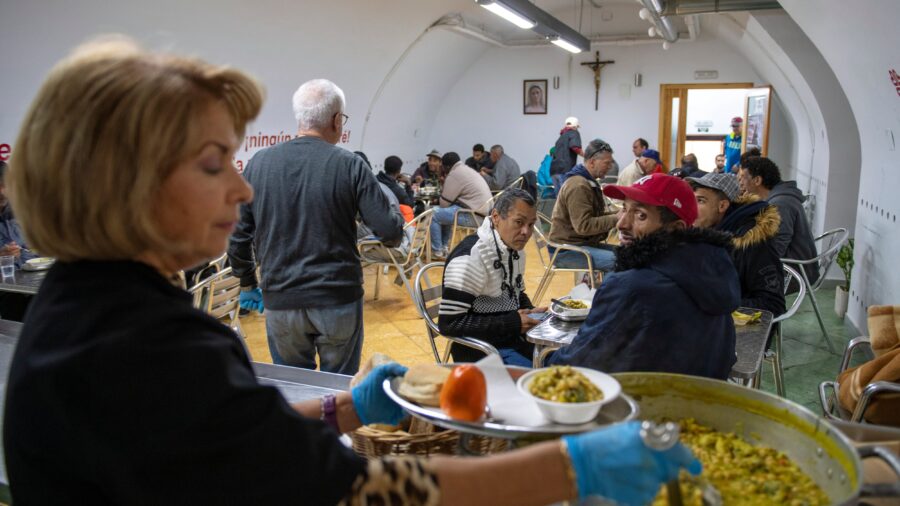
Persistent poverty remains a significant challenge for individuals reliant on non-contributory pensions, despite broader trends of economic growth. Rising living costs and fixed incomes are forcing citizens to prioritize basic necessities over social participation and nutrition.
Four Years Ago
Cristóbal Núñez Jiménez, then a 54-year-old scaffolding assembler, was diagnosed with a severe pulmonary condition. The diagnosis forced his early departure from the workforce. This transition marked the beginning of his reliance on a non-contributory pension, significantly reducing his monthly income.
Current Status
At age 58, Núñez Jiménez resides in the Cruz Verde neighborhood of Málaga. He reports that approximately half of his monthly pension is consumed by rent and utility payments. The remaining funds are insufficient to cover additional expenses, including clothing, adequate nutrition, or social activities. He states that the financial constraints prevent him from engaging in basic social interactions, such as purchasing a beverage with acquaintances.
The Current Situation
The case of Núñez Jiménez highlights the difficulties faced by retirees living on fixed, non-contributory income streams. As inflation affects the cost of housing and essential goods, individuals in similar economic brackets struggle to maintain a standard of living that covers more than basic survival.
Why it matters: This account illustrates the disconnect between national economic growth indicators and the daily reality for low-income households. For many, structural barriers and health crises create a cycle of poverty that economic expansion alone does not resolve, leaving vulnerable individuals unable to afford basic social or nutritional needs.