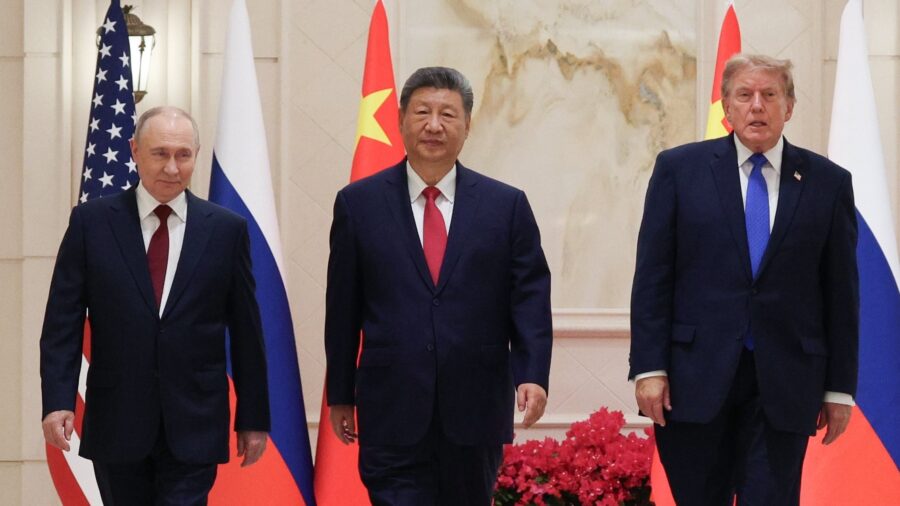
A recent photograph featuring three world leaders has drawn comparisons to the 1945 Yalta Conference, where Allied powers negotiated the postwar order. The image, which shows two established leaders alongside a third, younger figure, has been interpreted by observers as a symbolic attempt to project global influence.
Historical Context of Yalta
The original Yalta Conference, held in Crimea in February 1945, served as a pivotal meeting between U.S. President Franklin D. Roosevelt, British Prime Minister Winston Churchill, and Soviet leader Joseph Stalin. The summit concluded a series of negotiations aimed at establishing a new international framework following the defeat of Nazi Germany.
Key outcomes of the historic gathering included:
- The demilitarization and division of Germany.
- The establishment of new borders for Poland.
- The creation of the United Nations.
- Commitments to support liberated European nations.
- The acceleration of military efforts against Japan to secure surrender.
Symbolism and Geopolitical Messaging
Analysts suggest the staging of the recent photograph mimics the visual language of the Yalta summit, signaling a desire to project authority over global affairs. By evoking the imagery of the 1945 meeting, the current leaders appear to be framing themselves as the architects of a new geopolitical reality, mirroring the collaborative yet exclusionary nature of the original Allied negotiations.
Why it matters: The comparison highlights how modern leaders utilize historical iconography to legitimize their current geopolitical agendas. For audiences in the Middle East and globally, such imagery serves as a deliberate signal of intent, suggesting that these figures seek to reshape international power structures in a manner reminiscent of the mid-20th century, potentially impacting regional security and diplomatic alliances.