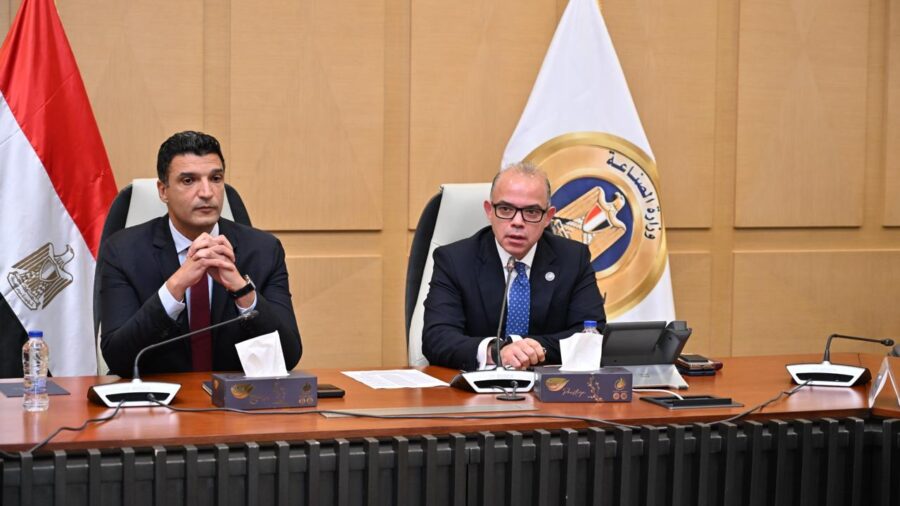
Egypt’s Minister of Industry, Khaled Hashem, and Minister of Investment and Foreign Trade, Mohamed Farid, convened meetings with steel industry leaders to address operational challenges. The discussions focused on stabilizing the domestic market and securing raw materials, particularly billets, amid fluctuating global economic conditions.
Key Takeaways
- Government intervention: Officials met with rolling mills and integrated steel plants to discuss production hurdles and supply chain stability.
- Billet supply issues: Rolling mills raised concerns regarding the availability, grades, and technical specifications of billet imports.
- Strategic objectives: The Ministry of Industry designated the steel sector as a primary target in its 2030 industrial strategy.
- Licensing incentives: The government introduced new billet production licenses with flexible payment terms to encourage domestic manufacturing.
- Integration goals: Authorities are pushing for greater integration between rolling mills and melting facilities to reduce import dependency.
Addressing Supply Chain Constraints
The meetings included representatives from major industry players, such as Ezz Steel Group, Suez Steel Group, and El Garhy Steel Group. Discussions centered on the difficulties rolling mills face in securing necessary billet quantities. Officials from the Egyptian Competition Authority, Customs Authority, and Industrial Development Authority were also present to coordinate regulatory support.
Minister Hashem stated the ministry’s goal is to protect factory interests while fostering industrial growth. He emphasized that expanding local manufacturing is a core component of the state’s 2030 economic vision. The government is encouraging rolling mills to transition into melting and manufacturing activities to increase value-added production.
New Licensing and Production Requirements
To incentivize local production, the ministry has adjusted the terms for new billet production licenses. These changes offer more flexible pricing models intended to lower production costs and attract investment. Hashem noted that companies receiving these licenses are expected to move quickly toward operational capacity.
 Egypt
 Saudi Arabia
 UAE
 Spain
 United Kingdom
 United States
 China
 India