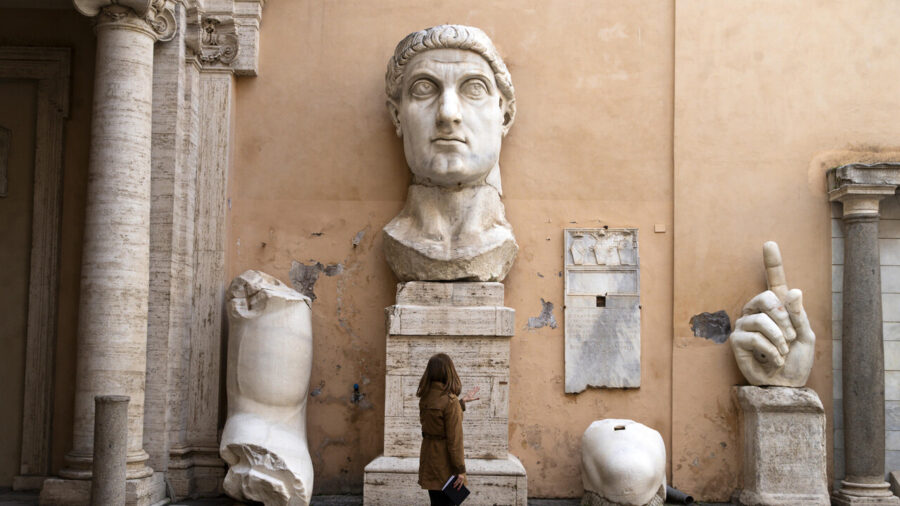
Museums across Italy are reporting higher visitor numbers, though the growth remains concentrated in the country’s most prominent cultural institutions. According to the latest data released by Istat, the national statistics bureau, attendance figures have climbed, highlighting a central trend in how the public engages with heritage sites.
Concentrated Growth
While overall numbers are trending upward, the report indicates that major museum hubs are capturing the lion’s share of this increased interest. Visitors are gravitating toward larger, well-established institutions, leaving smaller regional sites to struggle for similar traction. This pattern suggests a tiered recovery in the cultural sector, where name recognition and extensive collections continue to drive ticket sales.
Simultaneously, municipal spending on cultural initiatives has seen an increase. Local governments are dedicating more resources to arts and history, signaling a renewed commitment to public engagement. Despite this rise in expenditure, Istat noted that a persistent disparity remains between Italy’s regions. Some areas continue to invest significantly more in their cultural infrastructure than others, creating an uneven landscape for accessibility and preservation.
The Regional Divide
The data underscores a systemic challenge regarding equitable access to cultural resources. While some regions have successfully boosted their local cultural economies, others lag behind, often constrained by budget limitations or historical funding deficits. Analysts point out that this gap complicates efforts to create a unified national strategy for tourism and heritage education.
Moving forward, the focus for policymakers will likely shift toward bridging these geographic disparities. As municipalities evaluate their budgets, the challenge will be to distribute resources more effectively to support both high-profile landmarks and smaller, localized cultural projects.
 Egypt
 Saudi Arabia
 UAE
 Spain
 United Kingdom
 United States
 China
 India
