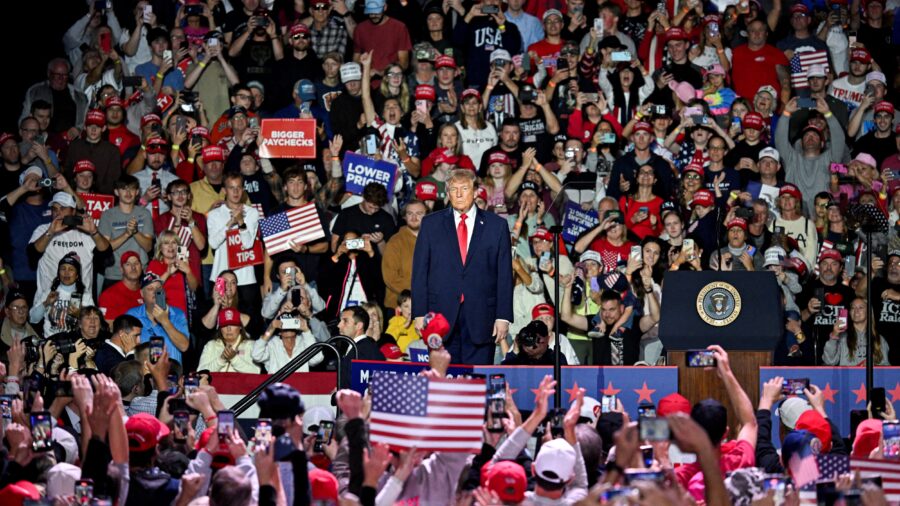
The upcoming U.S. midterm elections function as a significant check on presidential authority, offering voters a mechanism to influence the trajectory of the White House. While public opinion polls indicate a decline in support for President Donald Trump, political analysts note that these figures have yet to be confirmed by actual voter turnout.
Key Election Takeaways
- Check on power: The midterm cycle acts as a counterbalance to the U.S. presidential system, allowing the electorate to restrict executive overreach.
- Polling trends: Current surveys suggest a loss of popularity for the administration, though the electoral impact remains uncertain.
- Political environment: The pre-election atmosphere indicates that the White House is currently focused on mitigating potential legislative losses.
- Economic context: The midterm results are expected to reflect broader public sentiment regarding the administration’s economic policies.
The Role of Midterms in U.S. Governance
The U.S. electoral system utilizes midterms to recalibrate the balance of power between the executive and legislative branches. Because the system is heavily centered on the presidency, these elections provide the only major opportunity for voters to intervene in the administration’s agenda halfway through a term. Observers argue that this structural feature prevents the consolidation of unchecked executive power.
Assessing Presidential Popularity
Public opinion data currently shows a downward trend in approval ratings for President Trump. However, political strategists caution that polling data does not always translate directly into election outcomes. The current political climate is characterized by attempts within the administration to stabilize its position and minimize losses in Congress. Whether these efforts will succeed at the ballot box depends on voter mobilization and the specific economic concerns driving local campaigns.